

Reducing Copper Use in Viticulture: Combining Measures Delivers the Greatest Impact
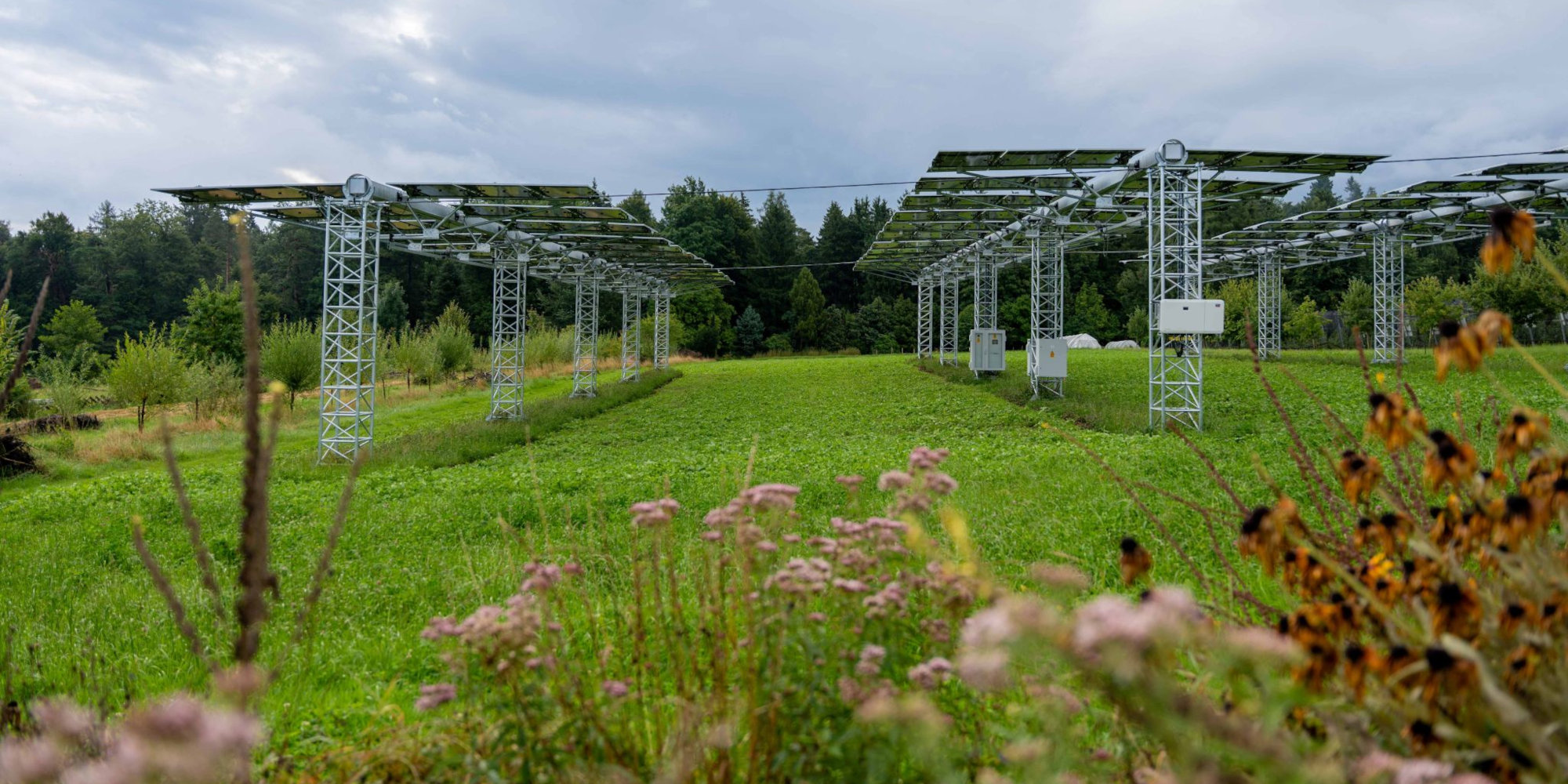
Agri-photovoltaics in the Canton of Zurich: Utilising Economic Potential, Managing Risks

When Are Battery Electric Tractors Economically Feasible?
-
Reducing Copper Use in Viticulture: Combining Measures Delivers the Greatest Impact
Copper is widely used in Swiss viticulture—but is increasingly under pressure due to environmental risks. A new study by ETH Zurich shows how its use can be reduced. Which measures make the difference?
-
Agri-photovoltaics in the Canton of Zurich: Utilising Economic Potential, Managing Risks
Agri-photovoltaics can combine agriculture and electricity production in the canton of Zurich in a meaningful way. The feasibility study shows economic potential – but with site-dependent uncertainties and high planning and approval requirements.
-
When Are Battery Electric Tractors Economically Feasible?
A systematic literature review shows that battery electric tractors can be economically viable under specific conditions – especially with high annual usage, light-duty tasks, the integration of renewable energies, and a suitable policy framework.
-
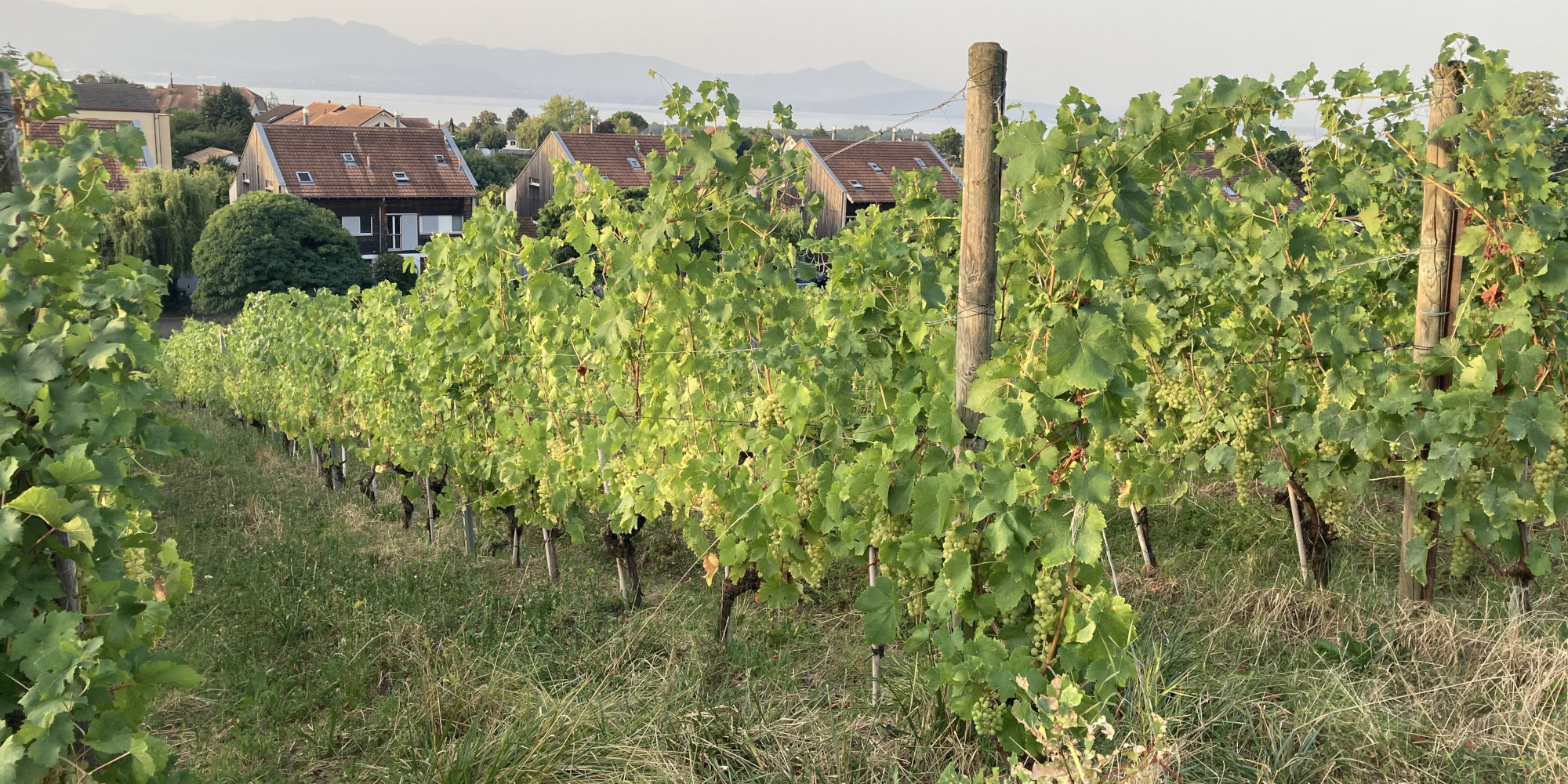
Nitrogen Nutrition Begins in the Vineyard
The hot, dry years between 2021 and 2025 substantially reduced the yeast-assimilable nitrogen in the musts of Vaud wines – particularly in Chasselas – with direct impacts on fermentation and wine quality.






-
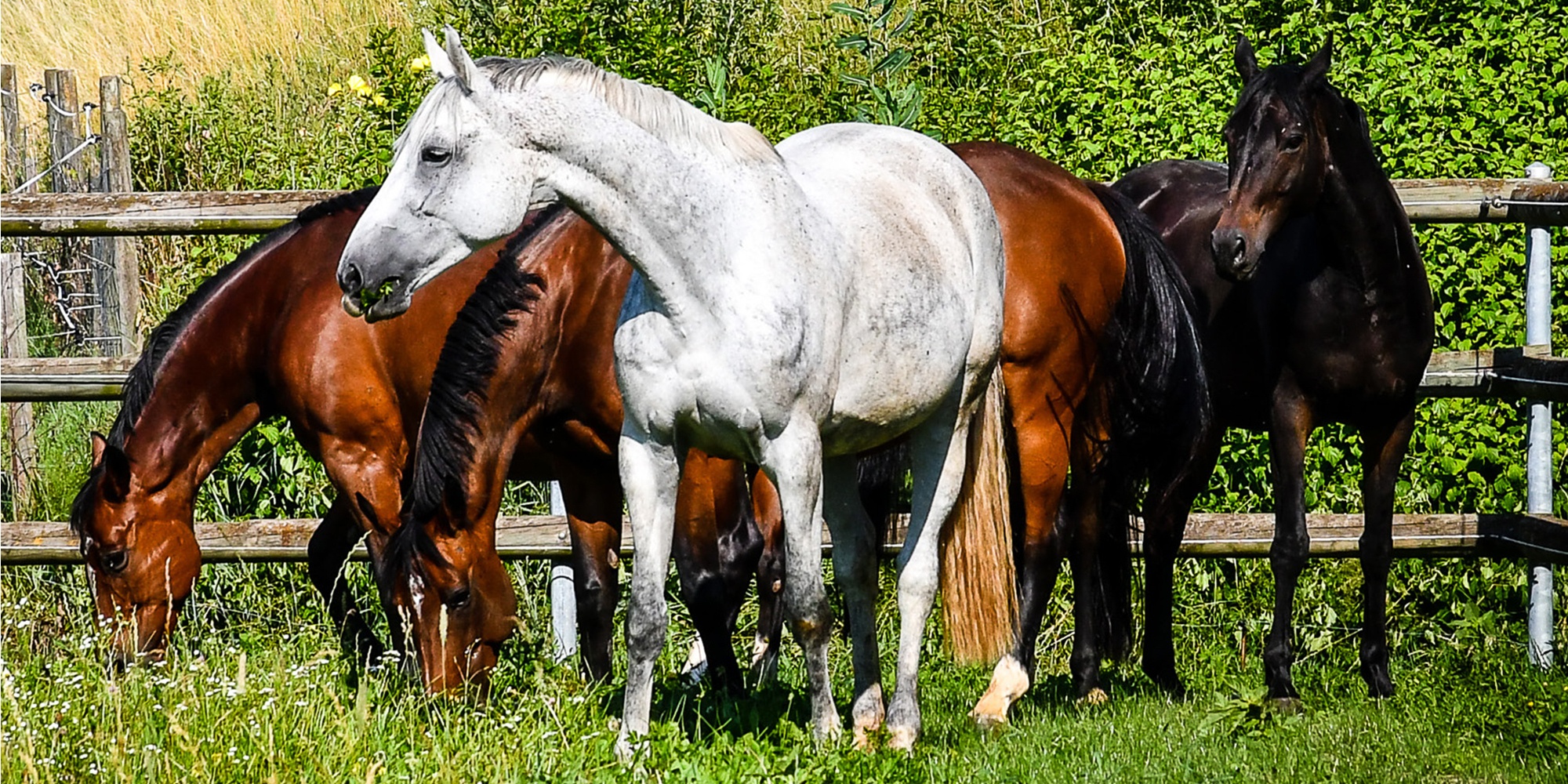
When is Horse Boarding Profitable? A Closer Look at Swiss Farms
Horse boarding is on the upswing. Efficiently organised work, suitable housing systems and biodiversity measures can help make this farm activity both profitable and environmentally beneficial.
-
Agroscope, University of Hohenheim, University of Milan
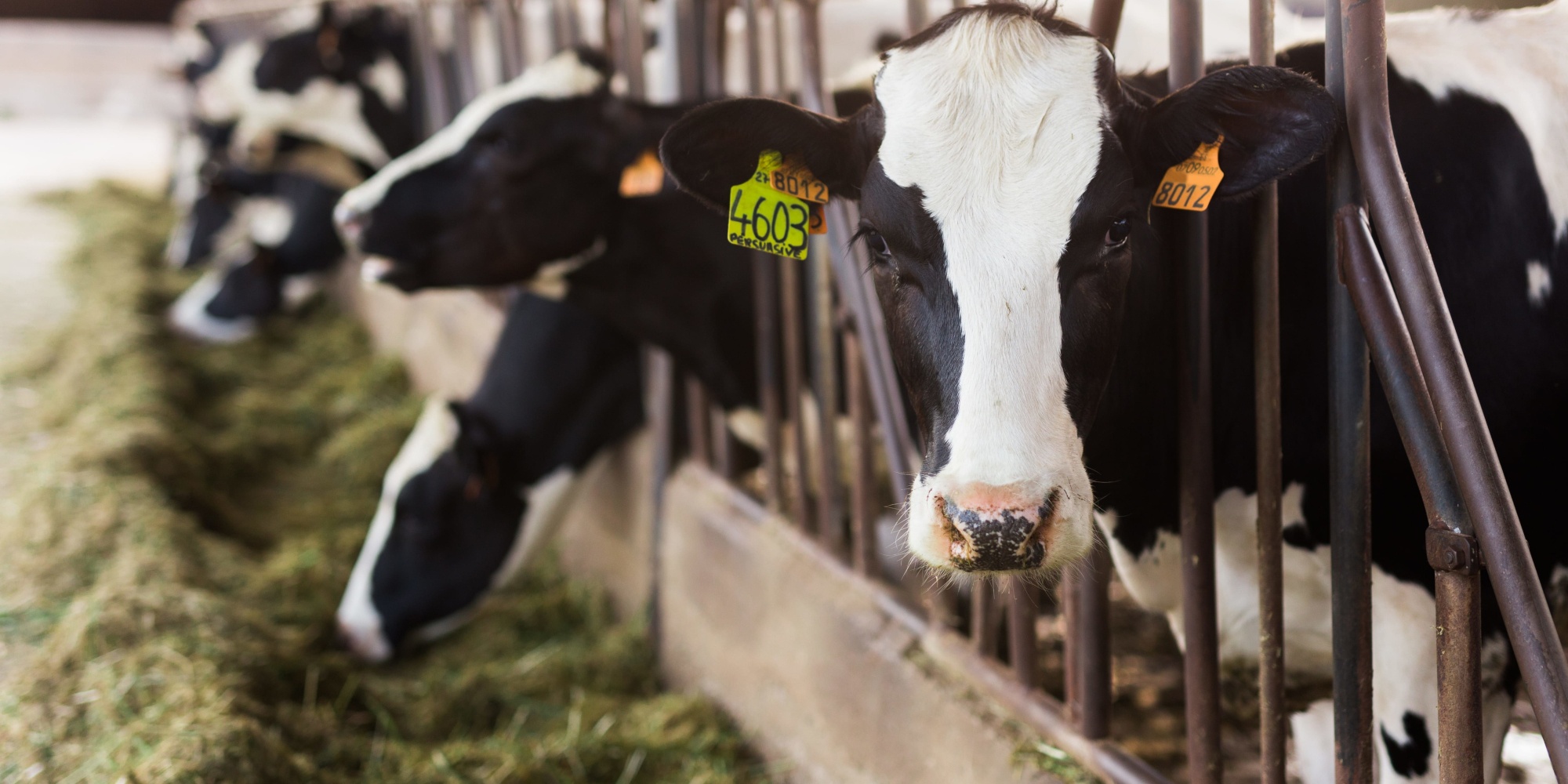
Sampling Exhaled Air Instead of Blood: New Method for Measuring Energy Status of Dairy Cows
After calving, dairy cows often have an energy deficit and mobilise body fat, with consequences for health, animal welfare and performance. Agroscope researchers have now shown that cows’ energy status can also be measured from exhaled air.
-
Agroscope, Trinity College Dublin, Teagasc, Aarhus University, TUM, Laimburg Research Centre
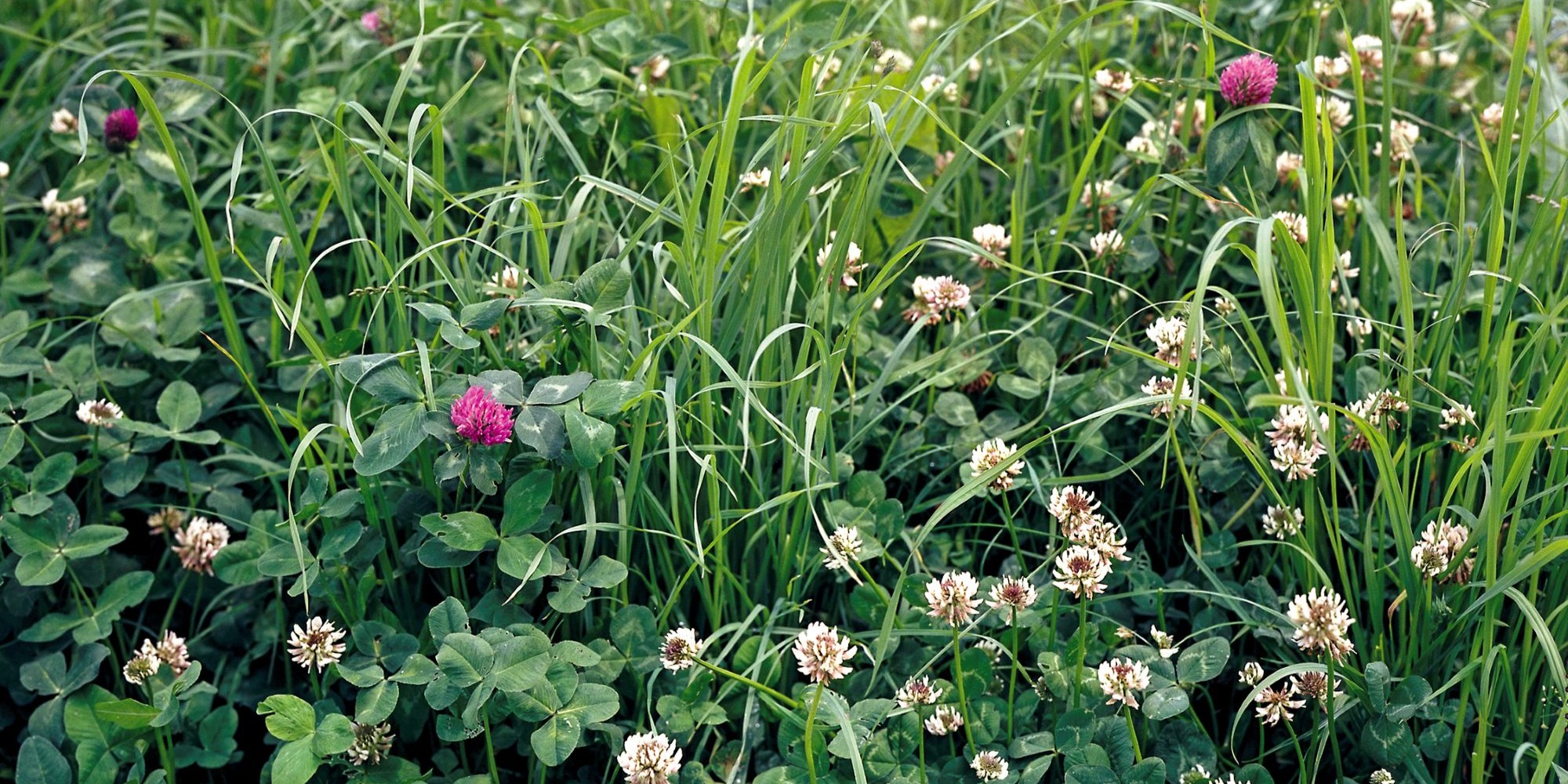
Adaptable and High-Yielding: Multispecies Mixtures Make Sown Grasslands Climate-Change-Proof
Mixtures of several forage-plant species systematically increase yields with lower fertiliser input. Higher temperatures enhance the benefits of these mixtures, making them a key component of climate-change adaptation.
-
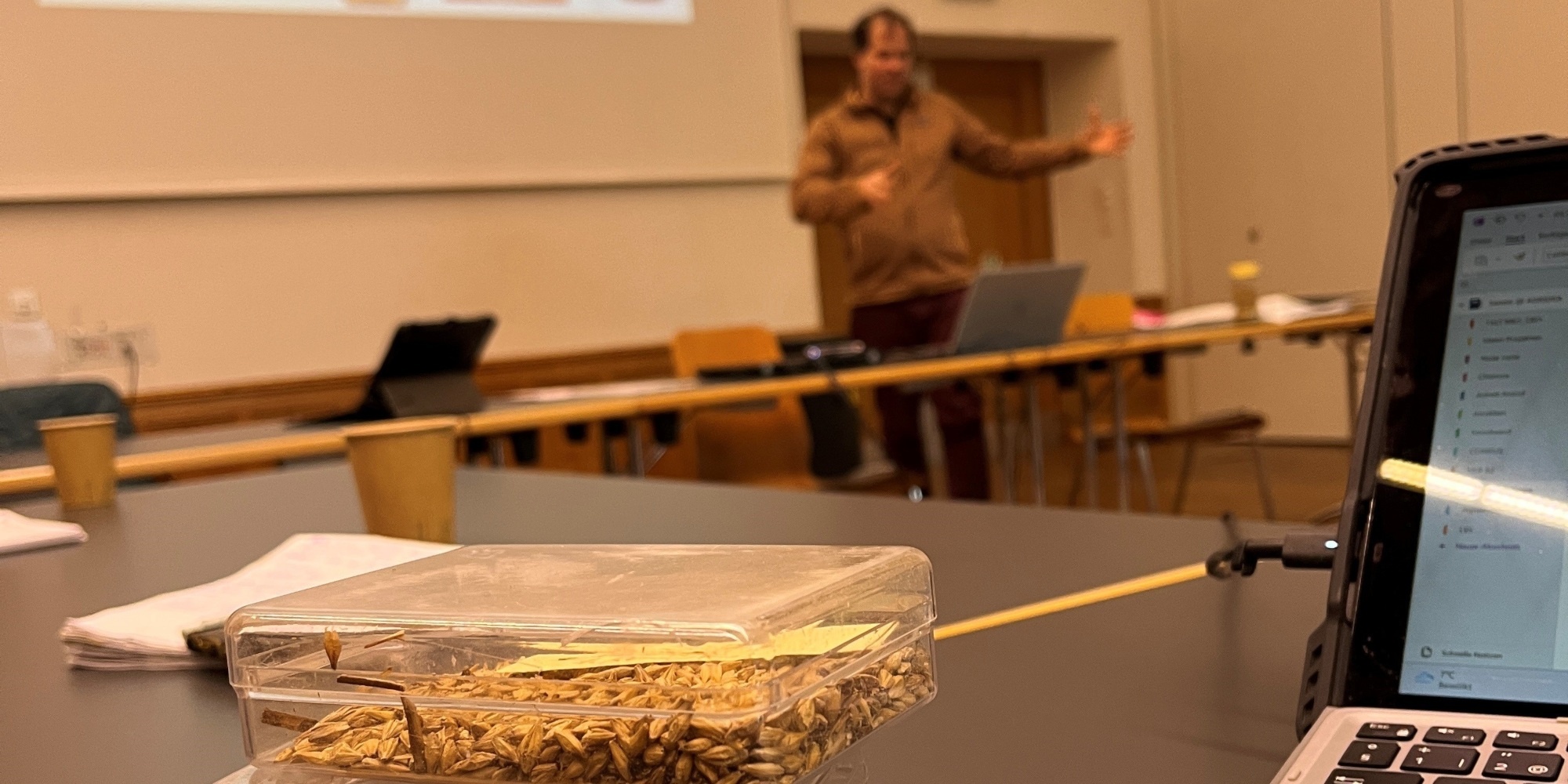
Agricultural Consultancy of the Future: Rethinking Value Chains
Effective agricultural extension services create new value chains and optimise existing ones. An inter-cantonal, cross-organisational project demonstrates how practical, strategic collaboration can make Swiss agriculture fit for the future.
-
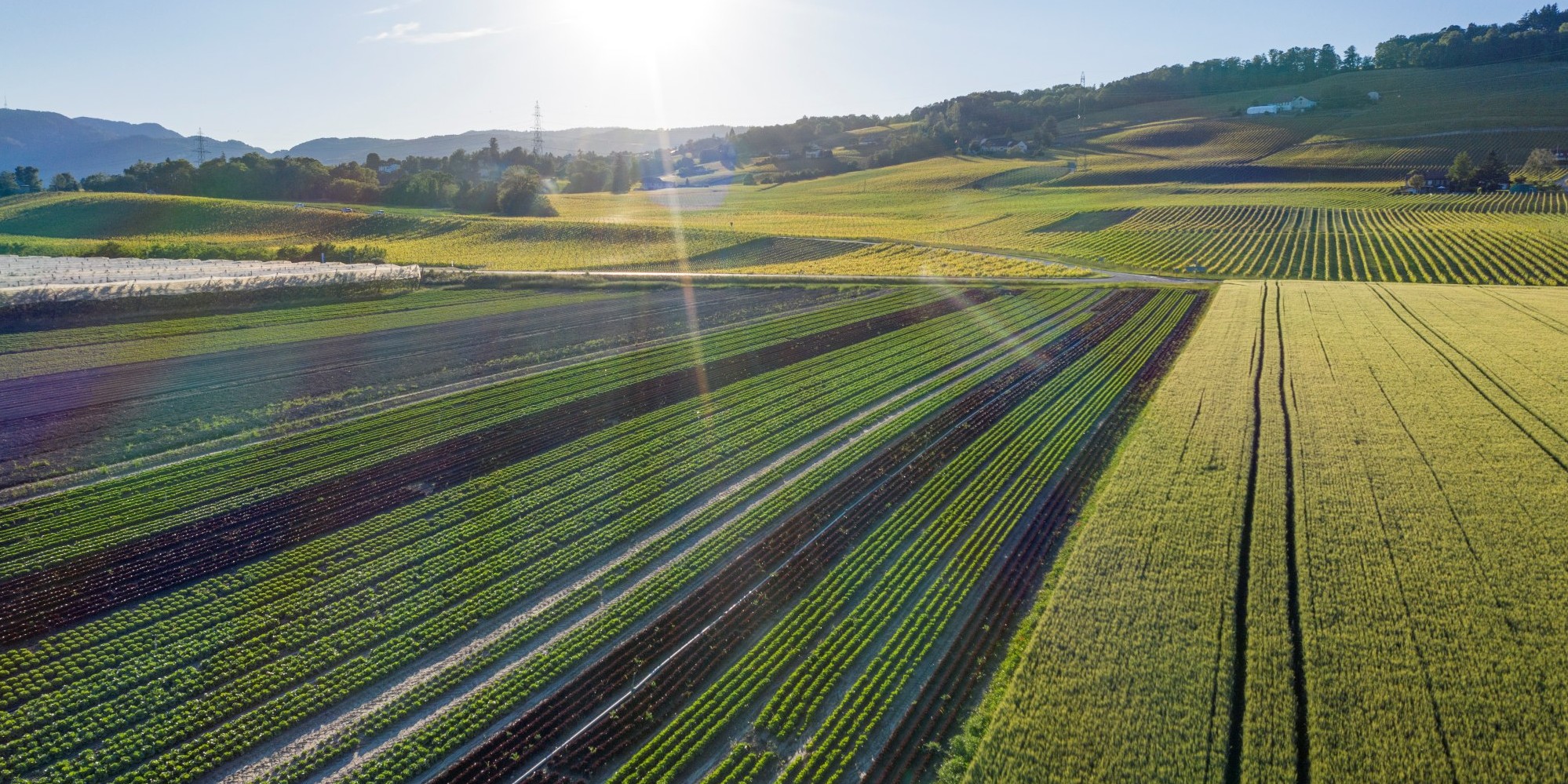
Alternative Plant Protection in Arable and Vegetable Crops: Where Do Things Stand?
A recently published paper by Agroscope gives an overview of preventive measures and non-chemical methods of controlling weeds, diseases and pests in arable farming and field vegetable cultivation.
-
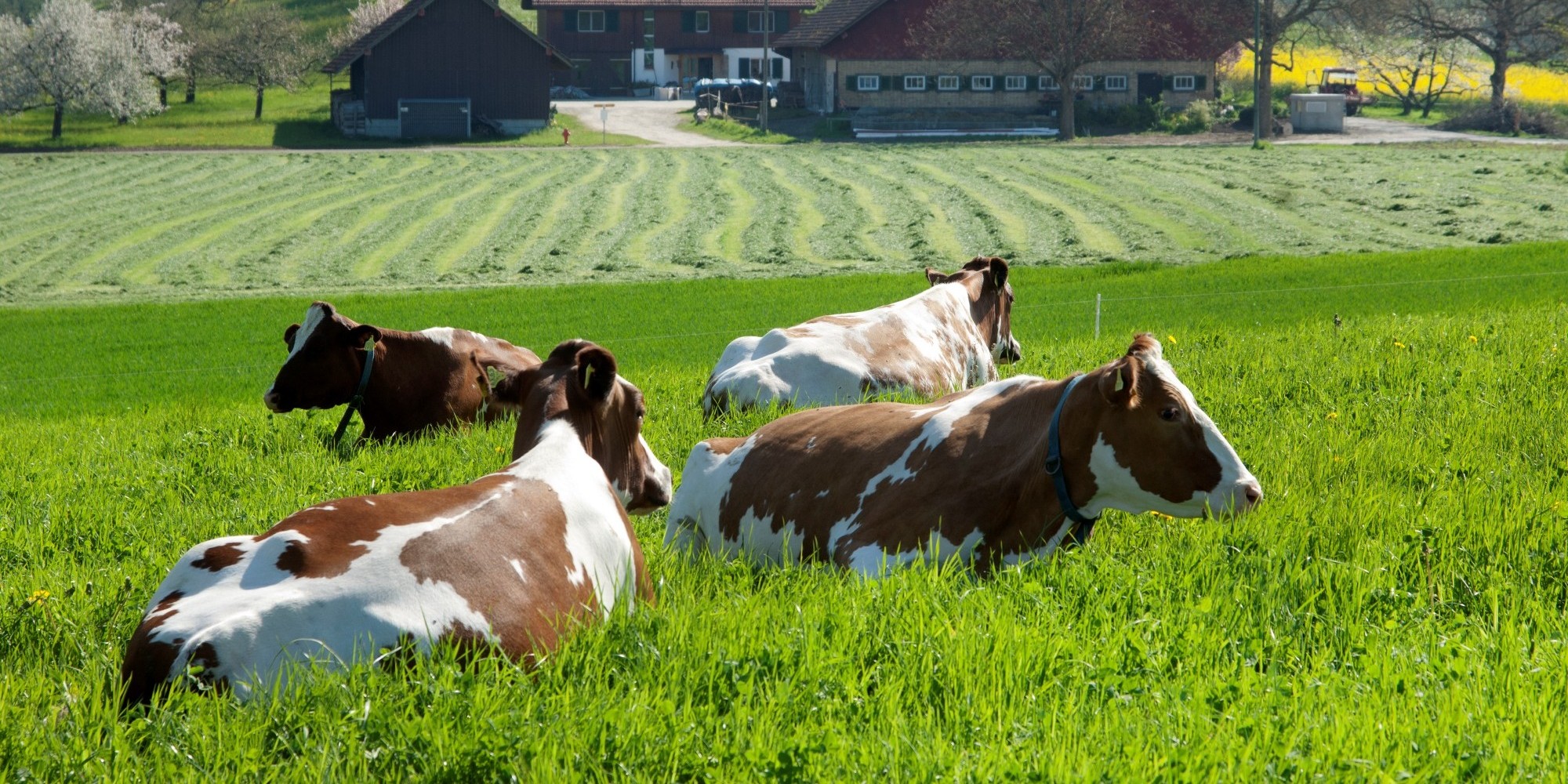
Drivers of Public Trust in Crop and Livestock Farmers and Policy Measures to Enhance it
A lack of trust in farmers can undermine a functional food system and lead to stricter regulations. A survey conducted in German-speaking Switzerland compared levels of trust in crop versus livestock farmers and identified key factors for a targeted agricultural policy.
-
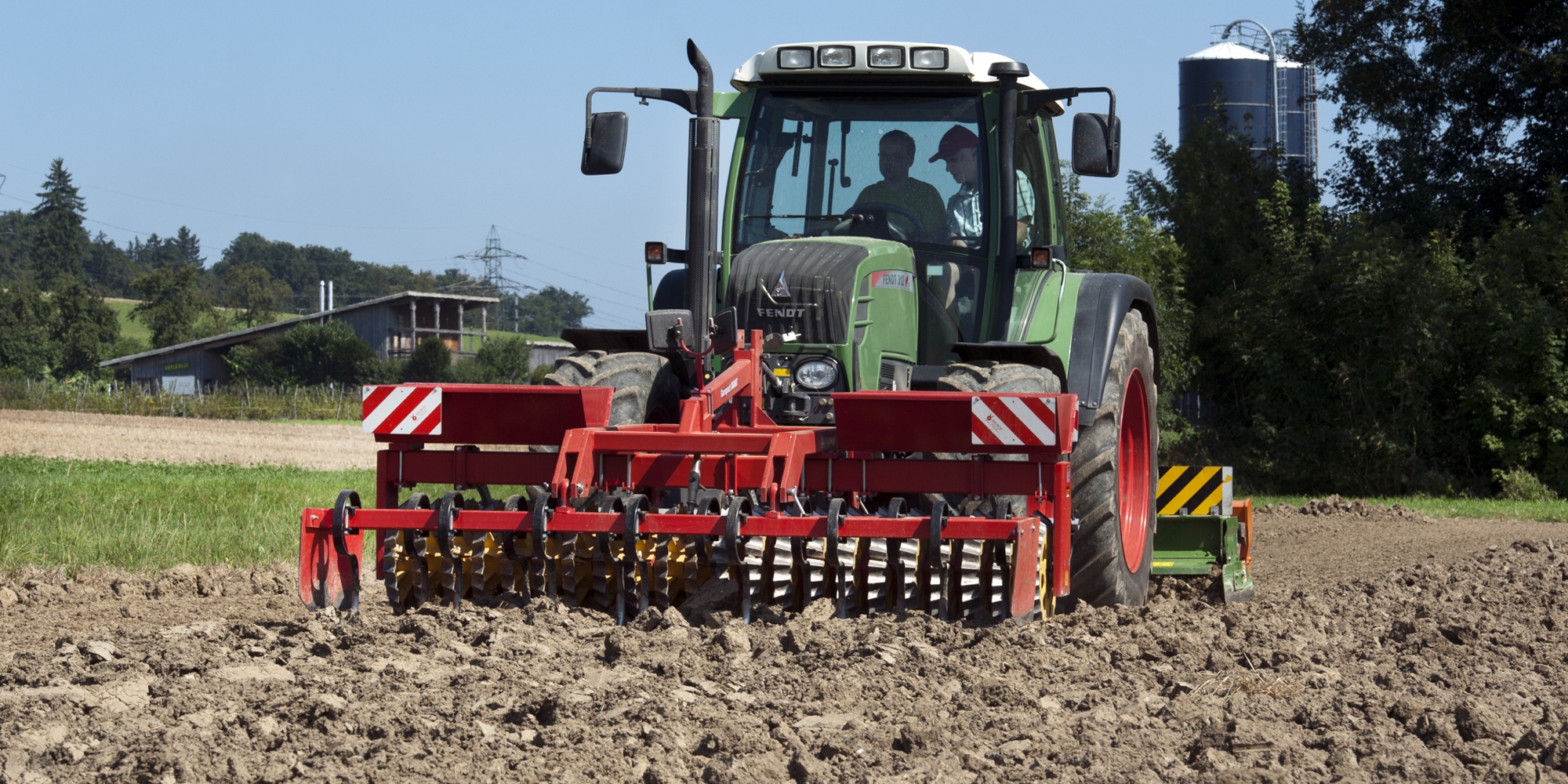
Working Conditions in Agricultural Employment: Current Conditions and Ways Forward
Switzerland remains dependent on family farm labour, although non-family employment is increasing, and hiring difficulties are becoming more visible. This study analyses the working conditions of regular farm employees and identifies the factors of longer employment durations.
-
ETH Zurich, BFH-HAFL, University of Lausanne
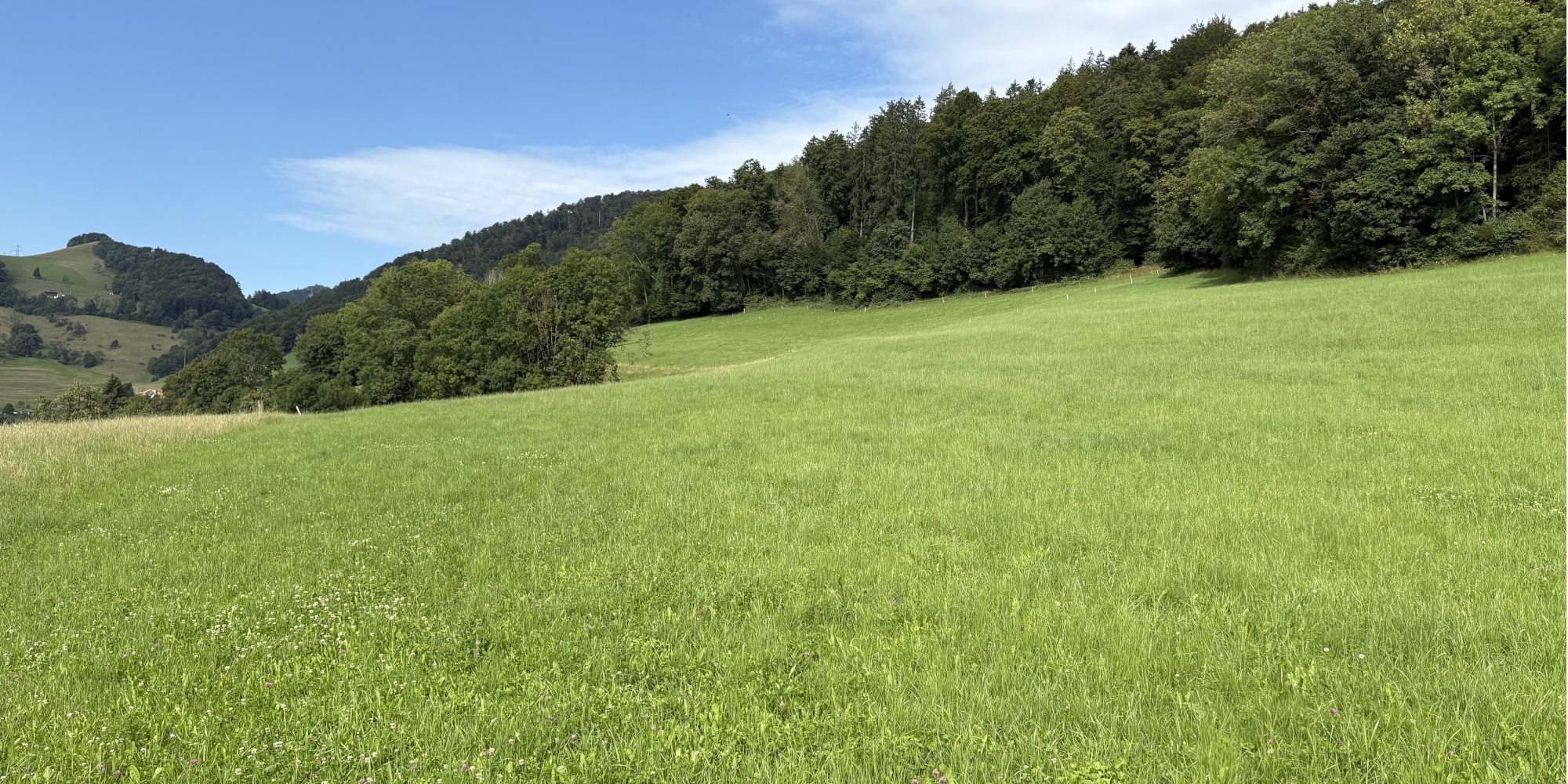
Sorting the meadow: Genetic methods to separate species and cultivars
Permanent grasslands consist of multiple species and cultivars, whose compositions change over time. Identifying such changes visually is laborious at species level and impossible at cultivar level. Two DNA-based methods were tested for this purpose.
-
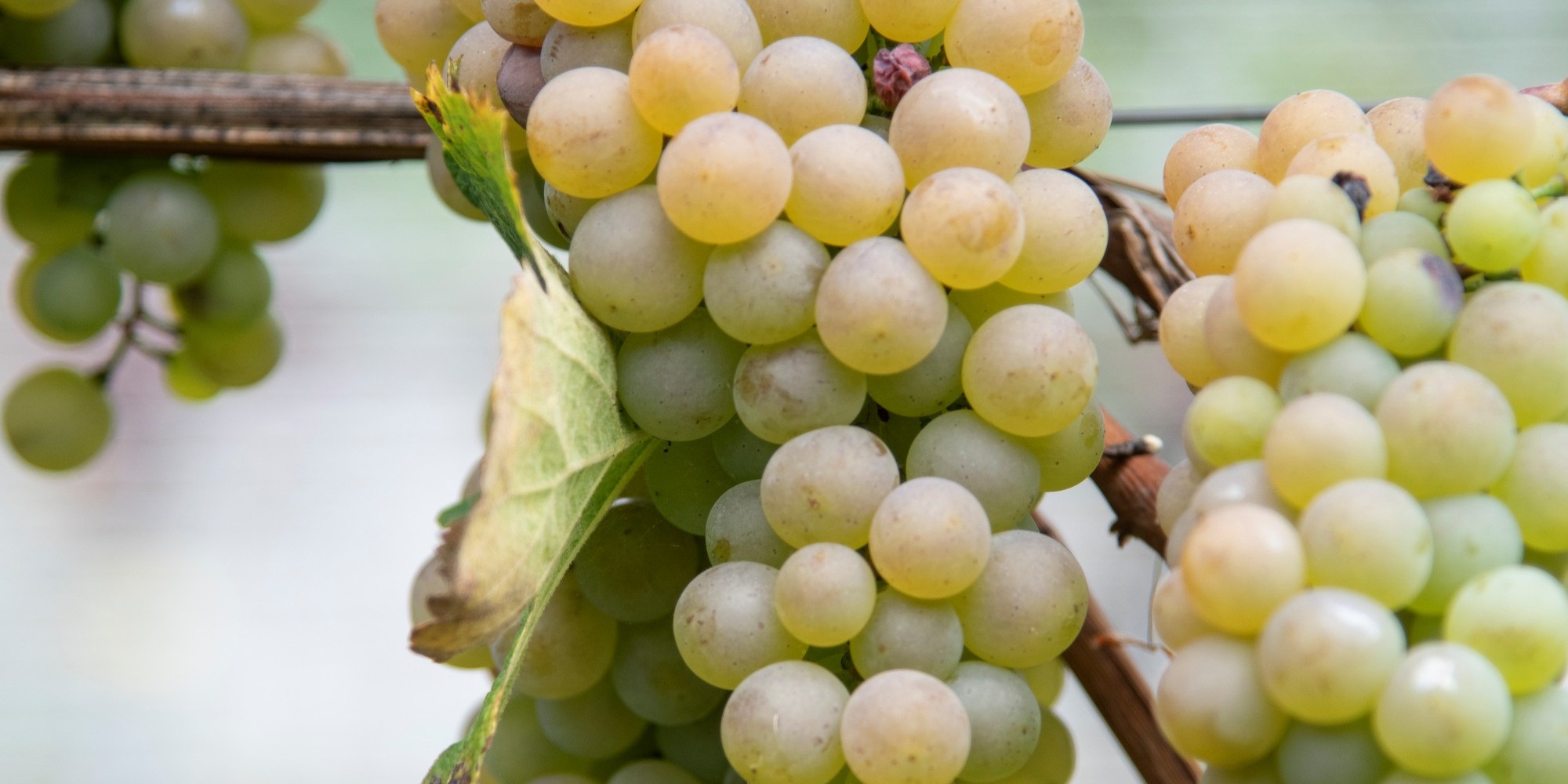
Räuschling Clone Breeding: Expansion of Genetic Diversity by Four New Clones
Thanks to the selection of new clones, the ‘Räuschling’ grape variety has become more consistent in terms of cultivation and wine quality. Multi-year trials have shown that four new clones stabilise yield and quality and reduce the risk of both berry splitting and Botrytis (grey mould) infestation.
-
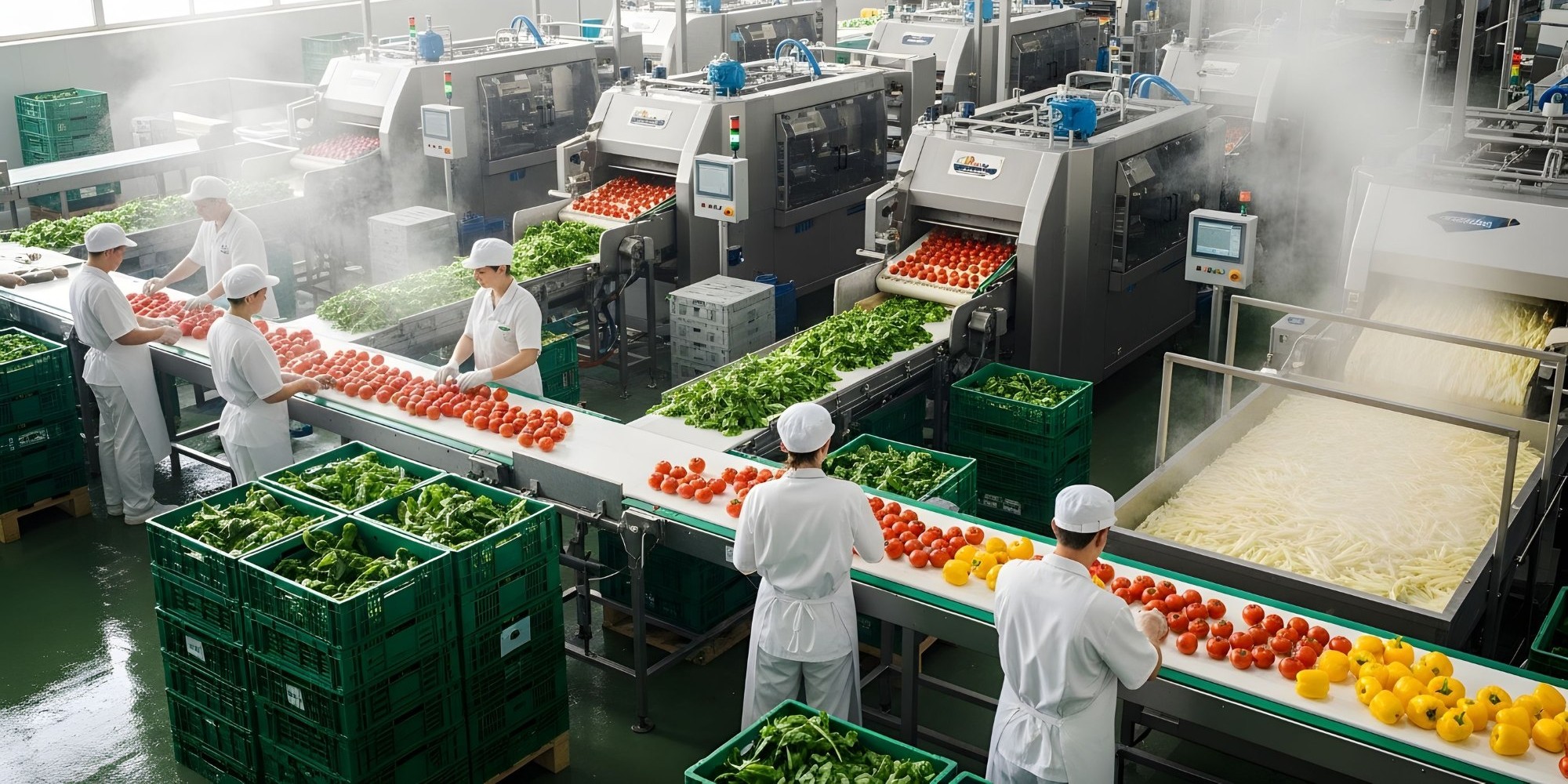
Food Side-Streams as an Underestimated Resource – a Literature Review
Along the food value chain, sizeable, hitherto-little-used side streams continue to accumulate. An Agroscope literature study shows that key questions on use and industrial valorisation remain unresolved.
-
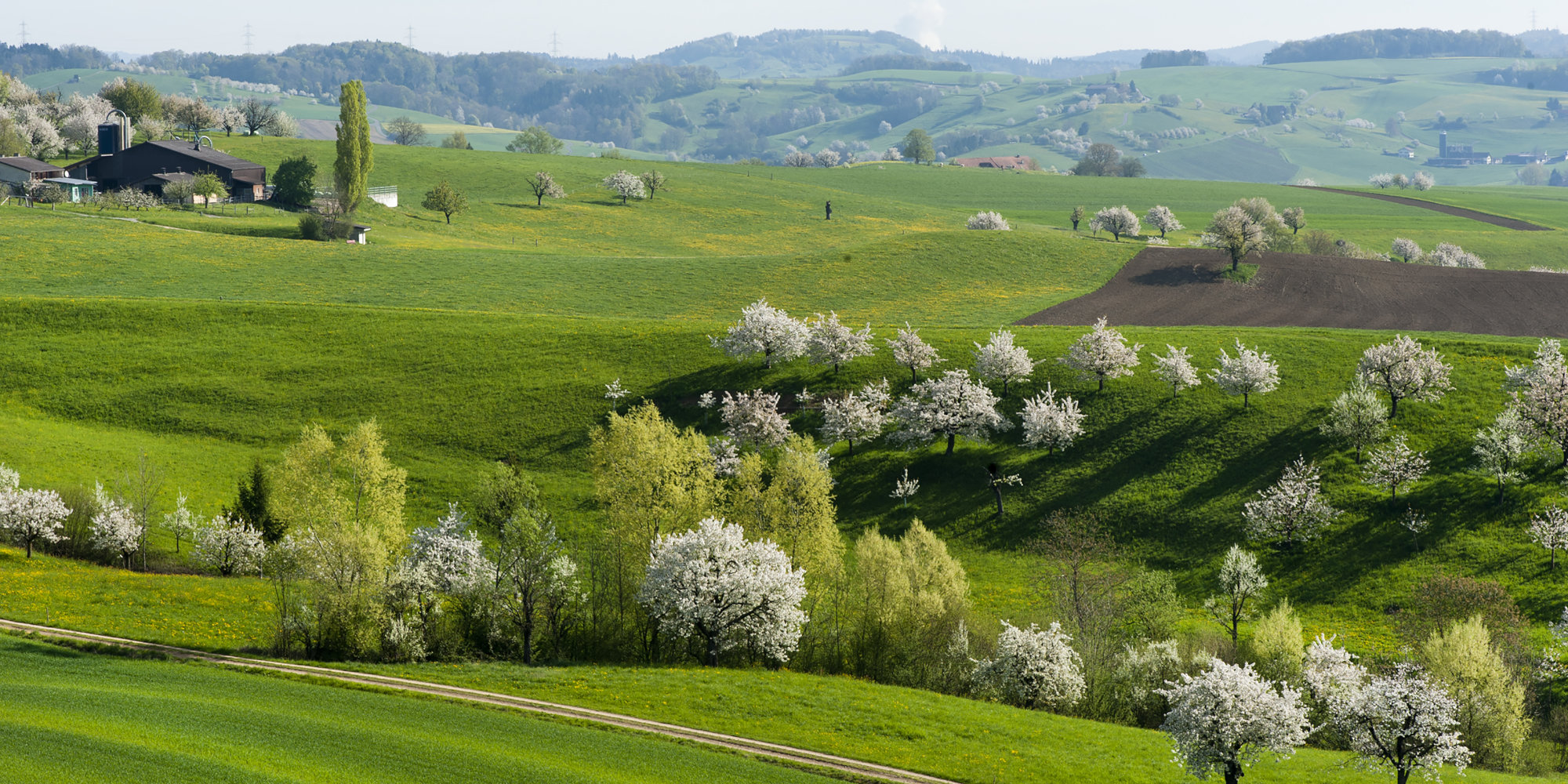
New Direct Payment Scheme for Regional Biodiversity and Landscape Quality
The agglomeration bonus payments and the landscape quality payments are to be merged into a new payment scheme for regional biodiversity and landscape quality. This study evaluates the planned merger from the perspective of agricultural policy literature.
-
Agroscope, University of Zurich
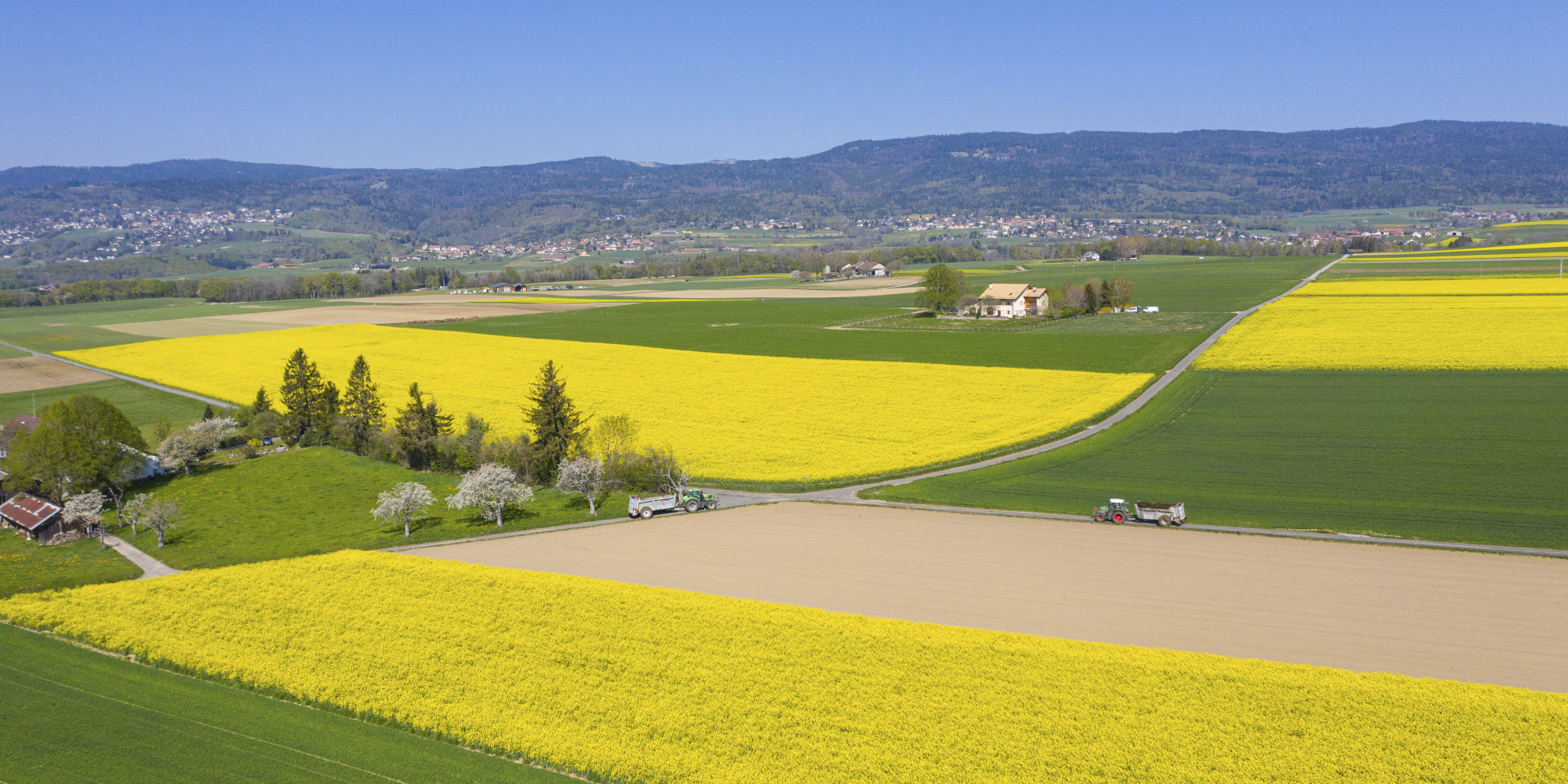
Plant-Plant Interactions Can Have a Positive Impact on Cropping Systems
Plant-plant interactions can contribute to yield security and resilience. The significance of these interactions in agriculture is contentious, not least of all because the mechanisms are largely unclear. This study summarises the current state of knowledge.

