Food Side-Streams as an Underestimated Resource – a Literature Review
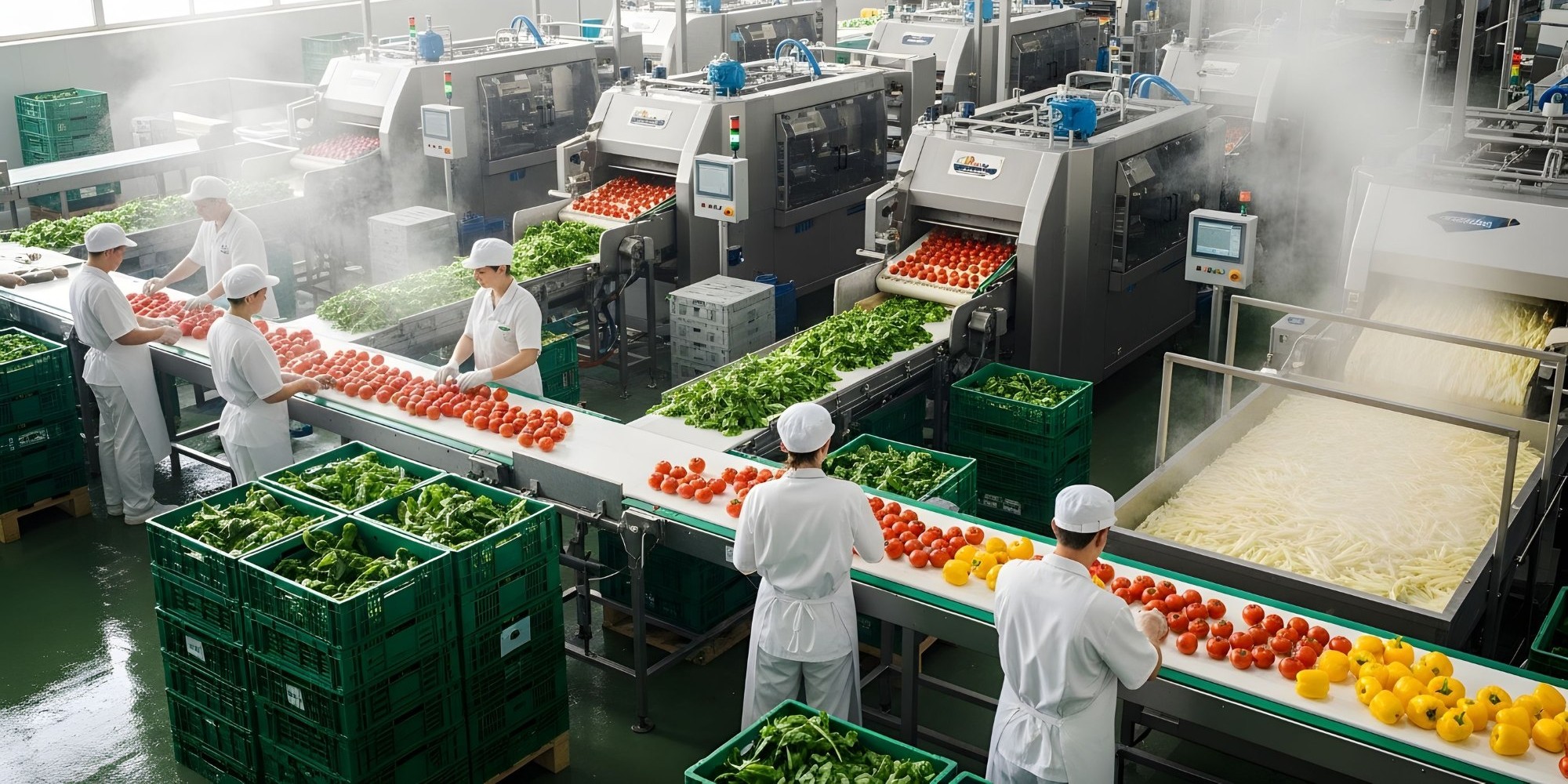
Photo : AI-generated,
© 123rf.com, 2026
Along the food value chain, sizeable, hitherto-little-used side streams continue to accumulate. An Agroscope literature study shows that key questions on use and industrial valorisation remain unresolved.
Growing Importance of Side Streams
The use of side streams has gained in importance in recent years, with the number of scientific publications on the topic also increasing. As part of the third-party-funded EU Project ‘WASTELESS’ (Horizon 2020, Grant Agreement 101084222), researchers from Agroscope conducted a literature study in which two research databases were searched for relevant reviews on side streams to determine the current state of knowledge on this topic. Fifty-two English-language reviews were identified and analysed. As can be seen from Figure 1, plant sources predominate.
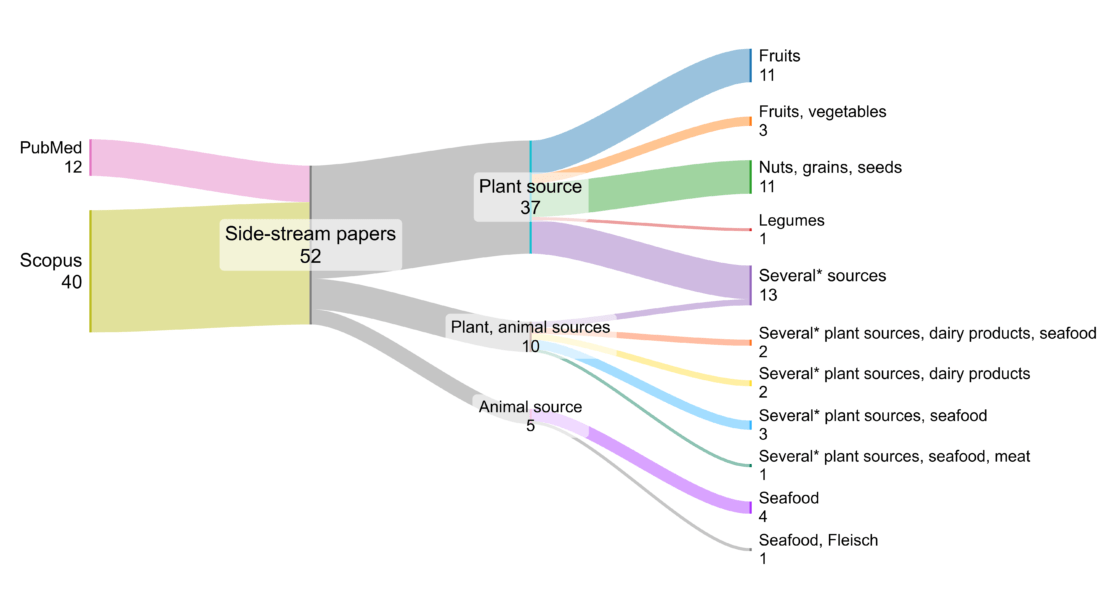
Plant-based side streams predominate – those of animal origin still scarcely examined
An important plant-based side stream is brewers’ spent grain. The applications described in the literature range from baked goods to pastes and spreads, all the way to yoghurt and sausages. In the present study, fruits accounted for the highest percentage of plant sources examined, with 37 of the total of 52 reviews examined dealing with side streams from fruits. Here, we are dealing primarily with the side streams of pomace, peels and seeds.
At present, animal sources of side streams are less frequently researched. Side streams from animal sources stem mainly from seafood (fish, shellfish, bivalve molluscs, crustaceans, etc.) and dairy products (mainly whey and buttermilk). Meat is discussed far less frequently, with only four of the 52 reviews examined dealing with this category. However, since a large proportion of food losses with meat are attributable to preference losses, this would be a particularly worthwhile category with a high loss-reduction potential.
Consumer acceptance of upcycled products: opportunities and hurdles
Currently there are few studies on how products manufactured from side streams are accepted by consumers. In general, consumers seem open to these products, but tend to want to pay less for such products than for conventional ones. Acceptance could be increased by for instance promoting upcycled products via their added value, or stressing agricultural sustainability. Another key element for acceptance is sensory science. If a product does not taste good or no longer looks attractive owing to the addition of side-streams, these could be decisive hurdles for consumer acceptance.
Conclusions
- At present, plant-based side streams in food production are more frequently used than those of animal origin.
- Greater data transparency on side streams from the food industry would help with the continued examination of potential.
- A lack of consumer acceptance of products from side streams can be a major hurdle for their use.
Bibliographical reference
Lebensmittel-Nebenströme als unterschätzte Ressource – eine Literaturübersicht.