Capillary Effect Confirmed: Why Hay Particles Are Key for Eye Formation in Emmentaler Cheese
Photo: Carole Parodi,
Agroscope
Ten years ago, Agroscope showed that eye formation in cheese is promoted by tiny hay particles whose capillaries serve as starting points for cheese eyes. Researchers have now confirmed the crucial role played by the capillary effect.
Lack of eyes in Emmentaler PDO
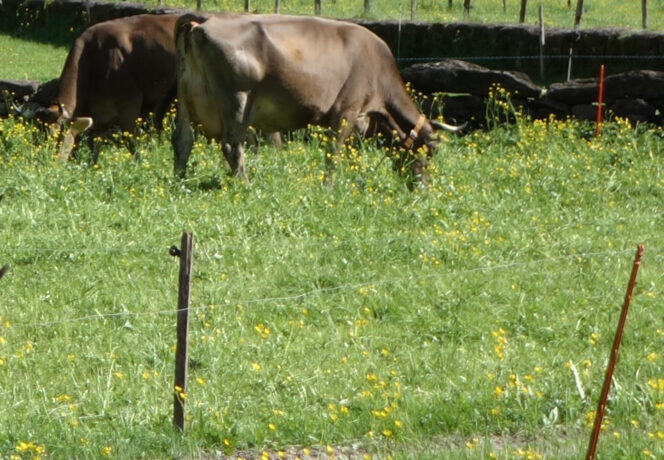
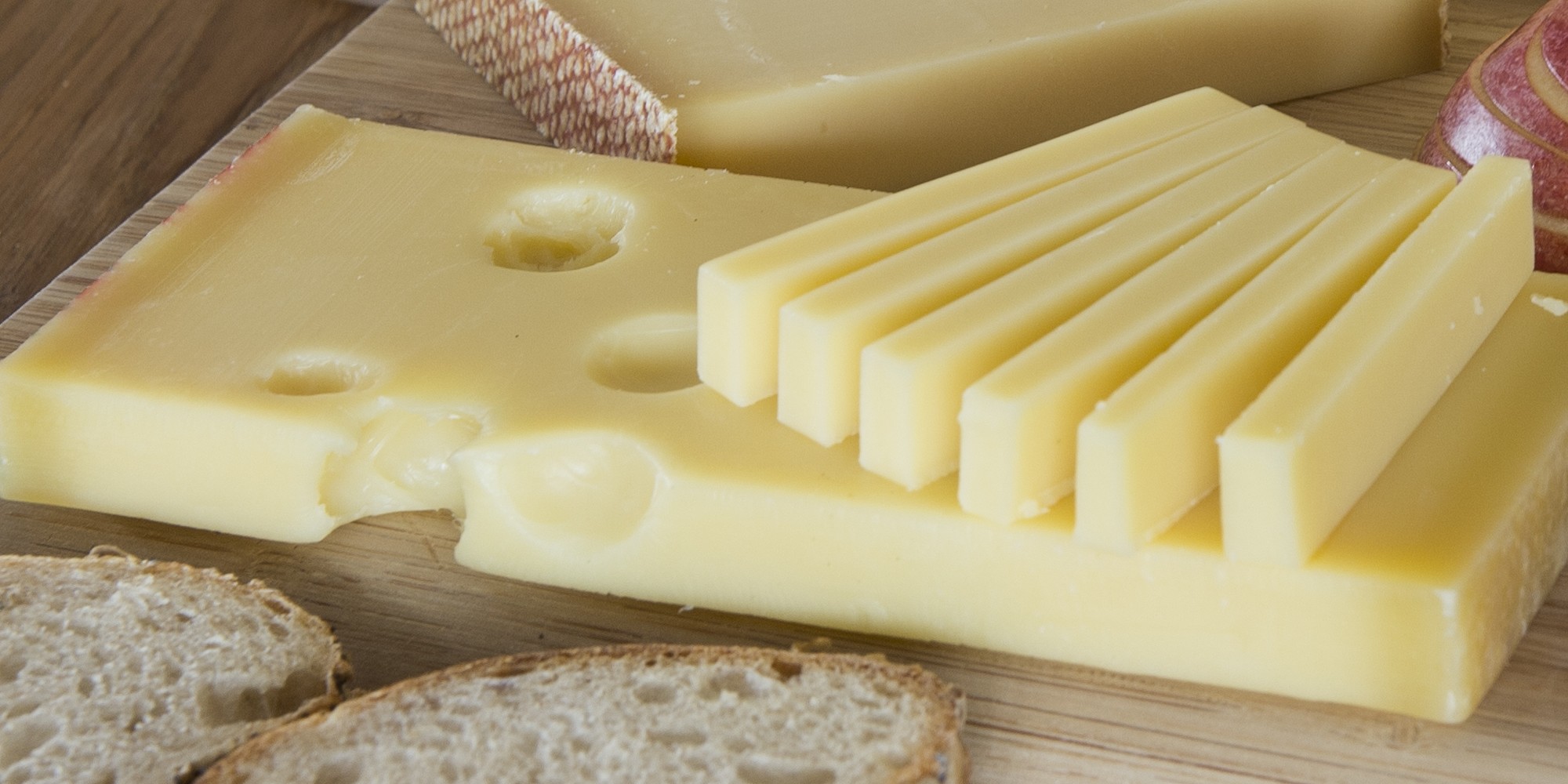
The size, number, shape and distribution of the eyes in Emmentaler-type cheese are key quality parameters. In the early 21st century, producers of Emmentaler PDO had to deal with the problem of inadequate eye formation. The spatial separation of feeding and milking in dairy-cow loose-housing systems and technological improvements in milk production not only led to more hygienic milk, but also to a lack of natural microparticles such as hay powder. Guggisberg et al. (2015) showed that microparticles of plant origin function as eye starting points that control the number and size of eyes in the cheese in a dose-dependent manner. The authors of the study put forward the hypothesis that microparticles of hay powder with intact capillaries were the most likely starting points for the eye formation.
Tests with defined capillary elements
Synthetic hollow fibres with an inner diameter of approx. 10µm and synthetic capillaries with inner diameters of 0.13mm and 0.18mm in different lengths and quantities were added to the curd during whey-immersed filling. For reasons of safety, these experimental Emmentaler cheeses were not released for consumption; the synthetic hollow fibres and capillaries were chosen because of their defined capillary structure.
Key role of capillary effect confirmed experimentally
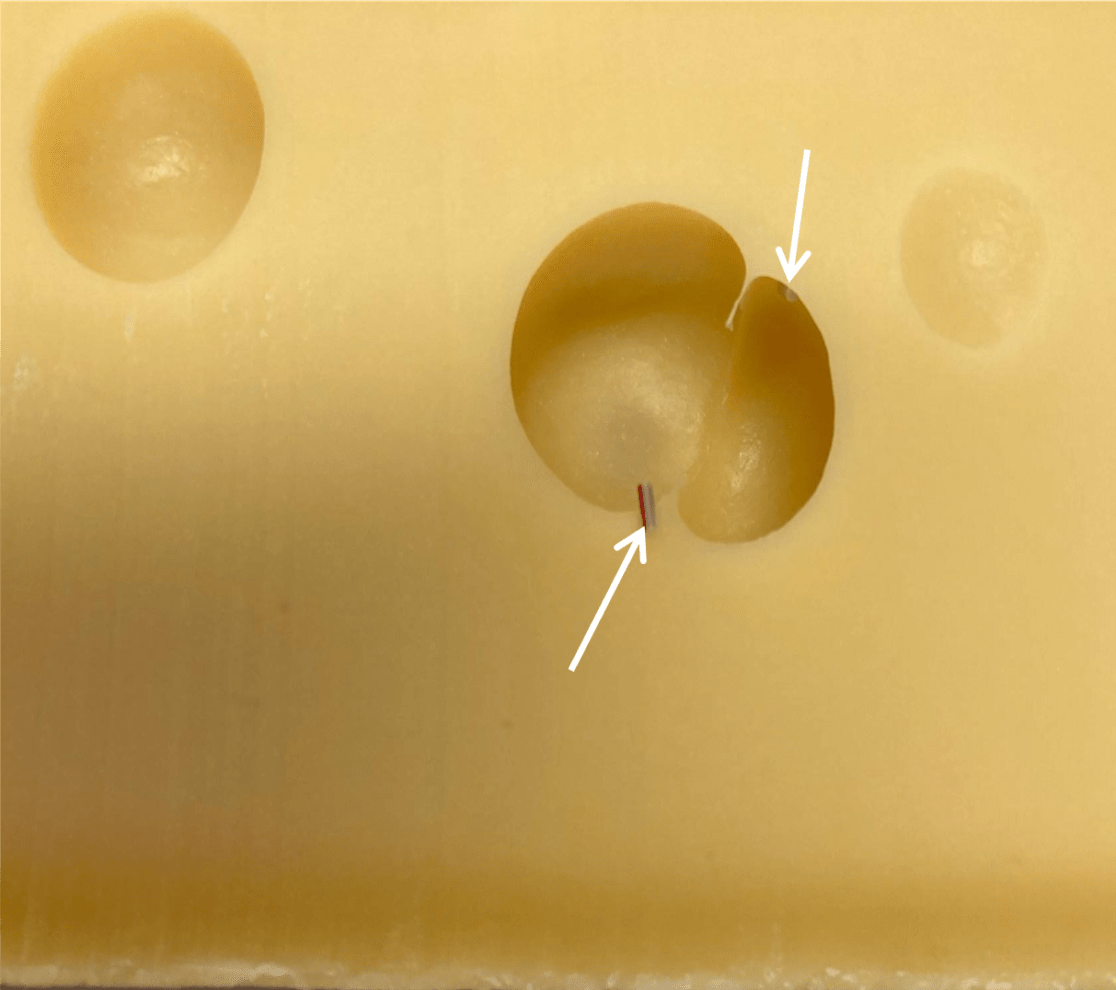
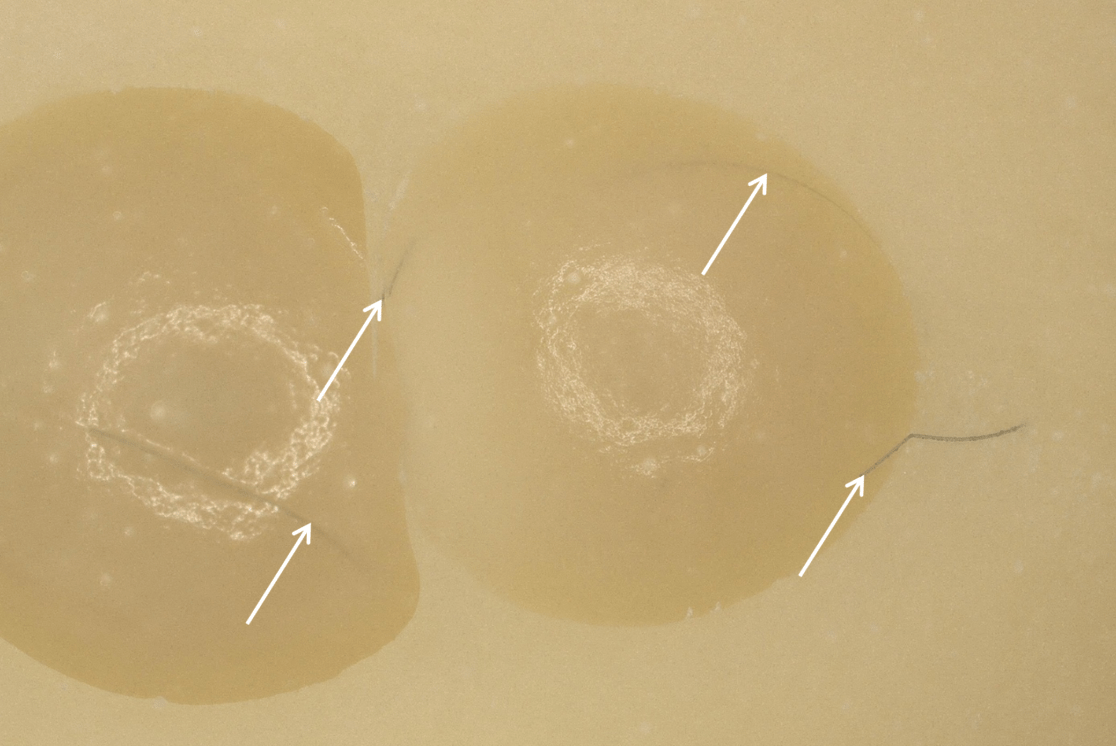
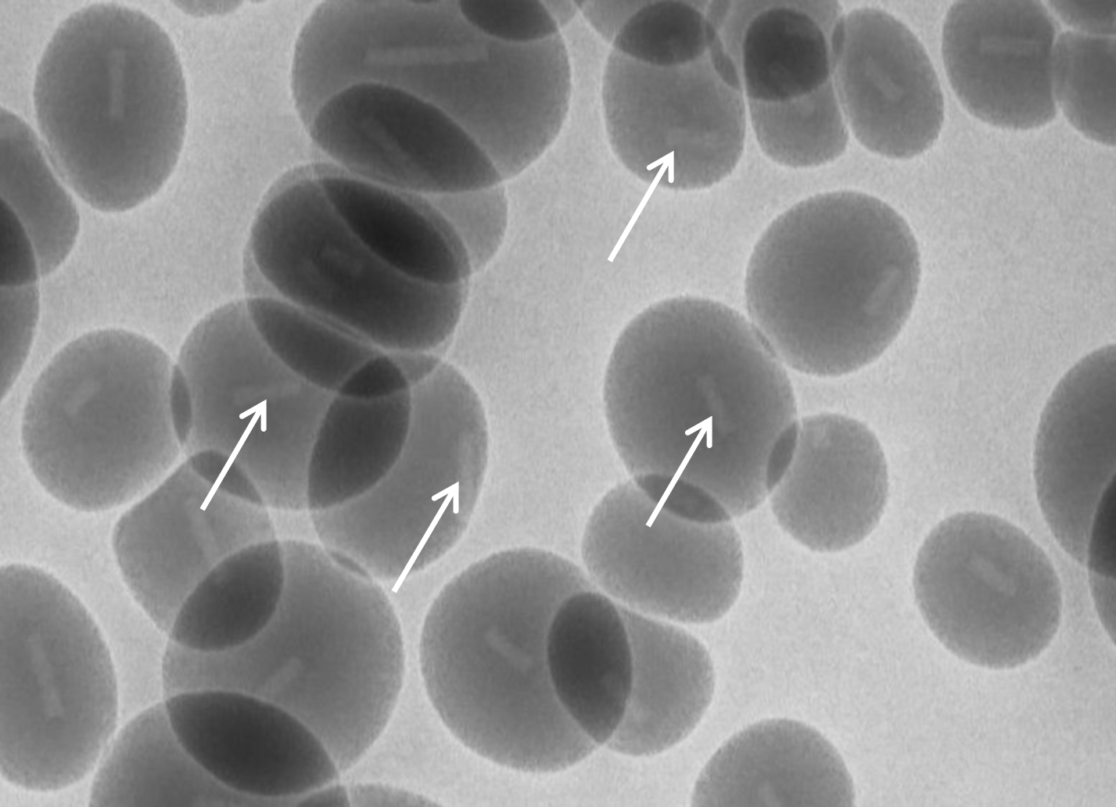
The number and size of the eyes in the experimental cheeses were influenced in a dose-dependent manner, as previously in the study with hay powder. Unlike the hay particles, the synthetic hollow fibres and capillaries were clearly recognisable in both the X-ray image and to the naked eye. The X-ray analysis showed that each eye contained at least one capillary – proof that the eyes had formed around the capillary structures which, due to the capillary effect, necessarily contained entrapped air.
Conclusions
- The most likely starting points for eye formation in cheese are microscopic air bubbles.
- In aqueous environments such as milk and whey, capillary structural elements carry air bubbles.
- Air bubbles may be introduced naturally into the milk along with capillary structural elements such as tiny hay particles. Structural elements without capillaries cannot function as eye starting points.
- As of 2025, producers of Emmentaler PDO are allowed to add natural hay powder to the cheese curd to improve eye formation.
Bibliographical reference
Nuclei carrying entrapped air are the most likely starting points for eye formation.