Sustainable Nutrition in the Saas Valley: Cooperation as the Key to Transformation
Photo: Stefanie Manas,
Landschaftspark Binntal
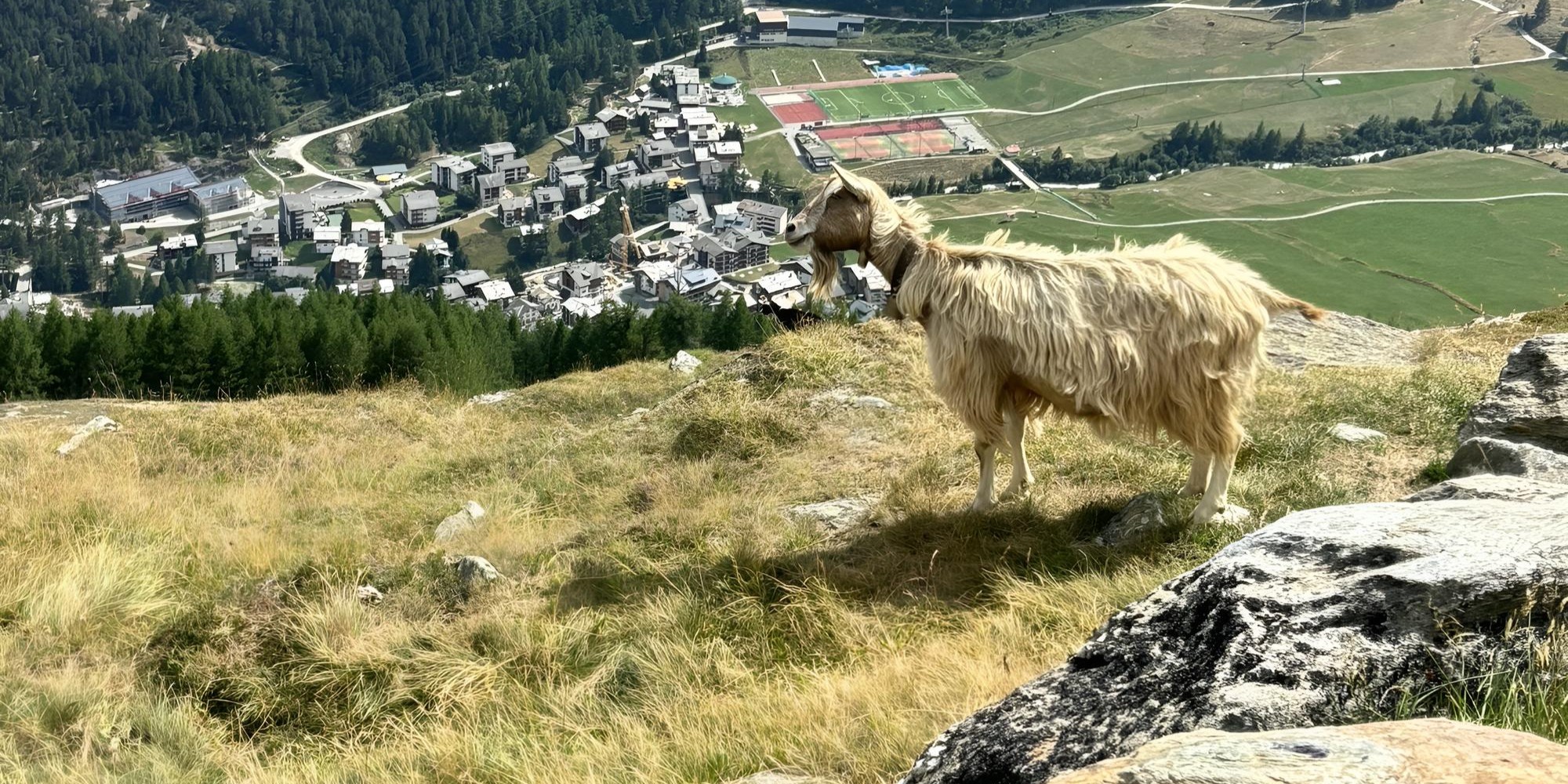
The Saas Valley demonstrates how Alpine regions can make their food systems more sustainable. Collaboration, regional value creation and committed key stakeholders are crucial.
The transformation of food systems is central to climate action, biodiversity and food security. Alpine regions such as the Saas Valley face specific challenges: structural change in agriculture, a strong reliance on tourism and a lack of regional processing facilities. At the same time, they offer great potential as model areas for sustainable development.
Key players and networks for sustainable food systems
This case study analyses the Saas Valley as an Alpine tourism region and examines how a sustainable food system can be developed at a regional level. Key stakeholders and their relationships were identified through a combination of social network analysis, interviews and focus group discussions.
The results show that four key players – in particular Saastal Tourismus AG, the municipalities, mountain railways and a leading hotel operator – play a central role in the transformation process. While agriculture is relevant, it is insufficiently integrated into existing networks. The lack of clear structures, points of contact and regional food-processing businesses makes it difficult to develop functioning value chains.
Networking as a key to success for sustainable regional development
A major finding is the importance of collaboration: Transformation succeeds where stakeholder groups are connected and pursue common goals. Tourism offers an important opportunity in this regard, as it generates demand for regional products. Sustainability is also becoming increasingly important to visitors. At the same time, risks arise from one-sided dependencies and a lack of local production capacity.
Initiatives such as regional development projects (PRE) or regional nature parks (RNP) can help strengthen collaboration and build sustainable structures. Equally important are raising awareness, joint strategies and the active role of key stakeholders in driving change.
Recent developments in the Saas Valley and the Valais show that these challenges are increasingly being recognised and addressed. For example, the Saas Valley is part of the Swisstainable Destination programme, which specifically promotes sustainable development, regional value creation and cooperation between stakeholders. The Valais is part of the European TAPELINE project, which works with local partners to develop strategies for agroecological food systems. The focus on collaboration and regional networks confirms this study’s findings and highlights the need for action.
Conclusions
- The Saas Valley serves as a prime example of the opportunities and challenges posed by sustainable food systems in Alpine regions.
- Priority areas are the stronger integration of agriculture, the development of regional value chains, and greater collaboration among stakeholders.
- Policy instruments such as a regional development project or a regional nature park offer concrete entry points.
- Key stakeholders – particularly in the tourism sector – should actively take responsibility and drive forward transformation processes.
- A joint strategy and clear coordination are fundamental prerequisites for successful implementation.
Bibliographical reference
Nachhaltige Ernährung im Saastal: Potenziale und Grenzen einer alpinen Tourismusregion.