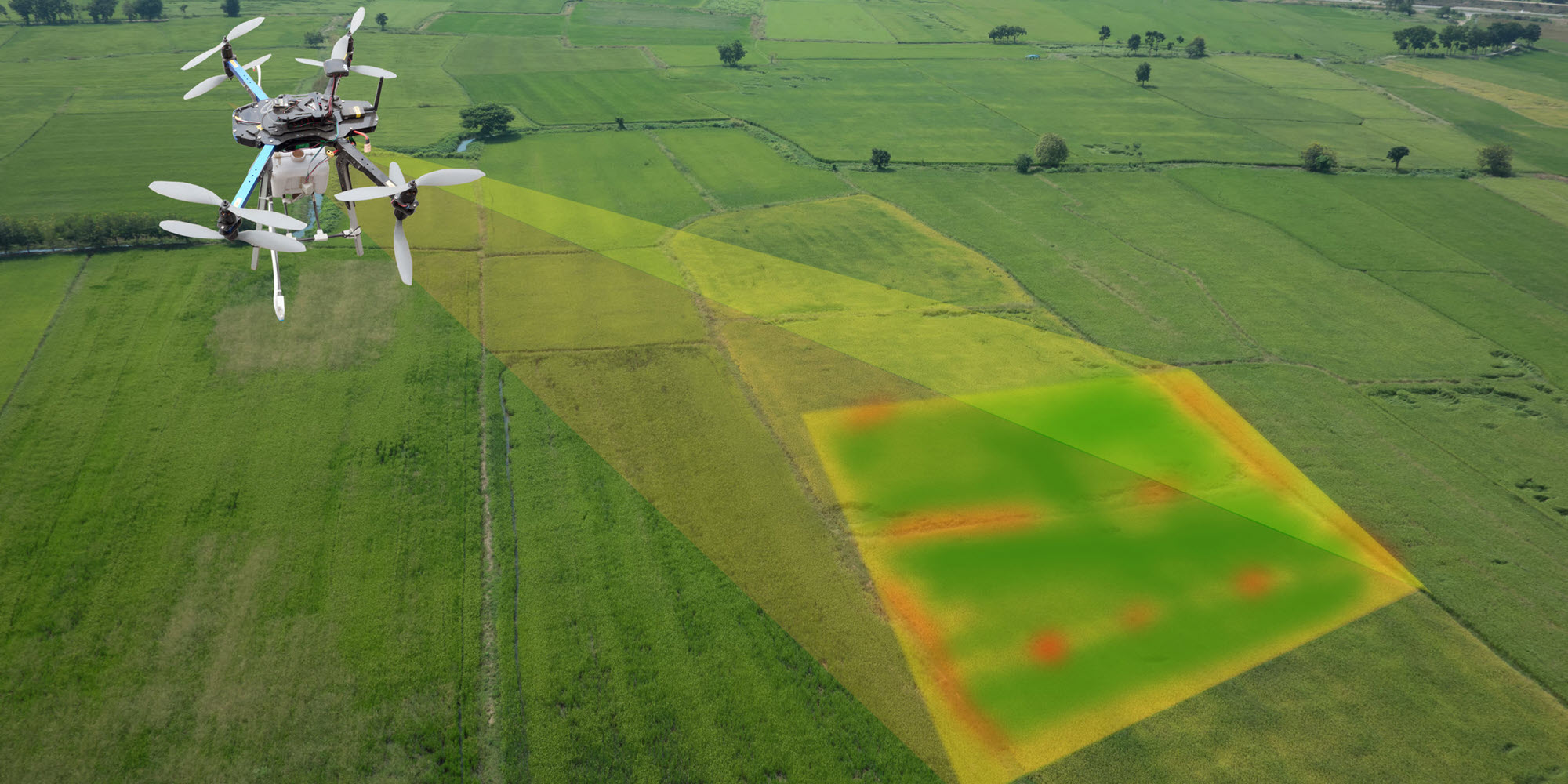
The digital transformation of the Swiss agrifood sector
Figure: 123rf.com
This article describes how digitalisation in the Swiss agricultural sector has evolved from 2018 to the present day. It also outlines the measures required for successful digitalisation.
Cooperation between all stakeholders in the Swiss agrifood sector is key to filling gaps in the roll-out of new technologies, ensuring that all farms have the same opportunities to adopt technological innovations, and avoiding power imbalances. This requires various technologies to be incorporated into new production processes, technological development to be geared towards the needs of farmers, training and further education in the field of digitalisation to be strengthened and agricultural policy to take account of digital advances. At the same time, data protection must be guaranteed and all participants in the Agricultural Knowledge and Innovation System (AKIS) must contribute jointly to the digital transformation.
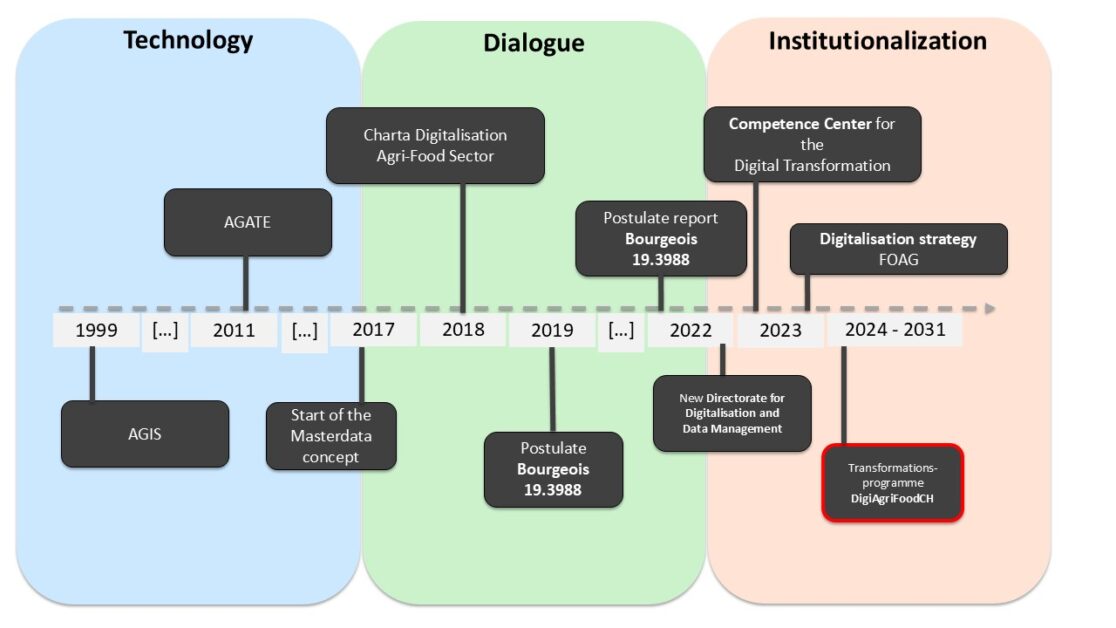
Technological focus of the Swiss agricultural sector since the 1990s
Much has been achieved since the launch of the ‘Charter on the Digitalisation of Swiss Agriculture and Food Production’ in 2018. The DigiAgriFoodCH transformation programme is currently being implemented. Various data platforms are available, the most relevant of which are the Swiss Agricultural Policy Information System (AGIS) and the AGATE portal (agriculture, animals, food). The 2017 master data concept forms the basis for technical developments and since 2021 farm managers have been able to reduce their administrative burden by using the ‘Meine Agrardatenfreigabe’ (MAF) app to share their data with third parties on the agate.ch portal.
Promoting dialogue in the Swiss agricultural sector since 2018
The Digitalisation Charter community has been instrumental in promoting dialogue between stakeholders in the Swiss agrifood sector since 2018. They have succeeded in raising awareness of digitalisation, strengthening cooperation, highlighting the need for action and implementing joint projects. A 2019 policy initiative prompted the audit on the creation of a Centre of Excellence for Agricultural Data.
Institutionalisation of digitalisation since 2022
Following the recommendations of the postulate report, the FOAG established the ‘Digitalisation and Data Management’ division in 2022 and tasked it with setting up a Centre of Excellence. Since 2023, six sector-related measures focussing on data use, interoperability, innovation and user-friendly digital processes have been introduced as part of the DigiAgriFoodCH transformation programme.
Implementation of the DigiAgriFoodCH transformation programme since 2025
To date, data standards for the Swiss agricultural sector have been published. The data transfer service agrisdata.ch, which aims to ensure secure, interoperable data exchange, is now operational. The information and communication platform DigiAgriFoodCH also provides knowledge, organises events and creates networking opportunities. In addition, the interoperability platform I14Y (Switzerland’s national data catalogue) enables official and agricultural data to be harmonised and retrieved.
Conclusions
- Since its launch in 2018, the Digitalisation Charter has put digital transformation on a professional footing with DigiAgriFoodCH.
- The DigiAgriFoodCH transformation programme sets out clear responsibilities, defines measures and provides a framework for their implementation.
- Digitalisation can only be implemented in a sustained and meaningful manner if all stakeholders in the Agricultural Knowledge and Innovation System work together.
- Technological developments and production processes geared towards the needs of farmers in combination with the standardisation and exchange of data create genuine added value.
- Trust in and acceptance of digital technologies and their use must be strengthened to enable the digital transformation to be successfully rolled out.
Bibliographical reference
Der Weg der digitalen Transformation der Schweizer Agrar- und Ernährungswirtschaft.