Drivers of Public Trust in Crop and Livestock Farmers and Policy Measures to Enhance it
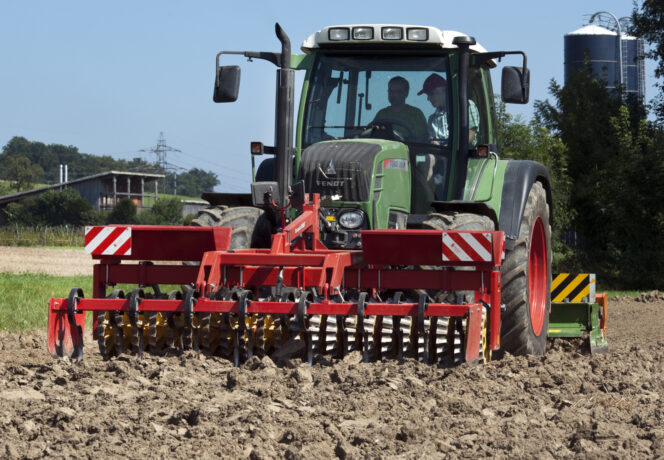
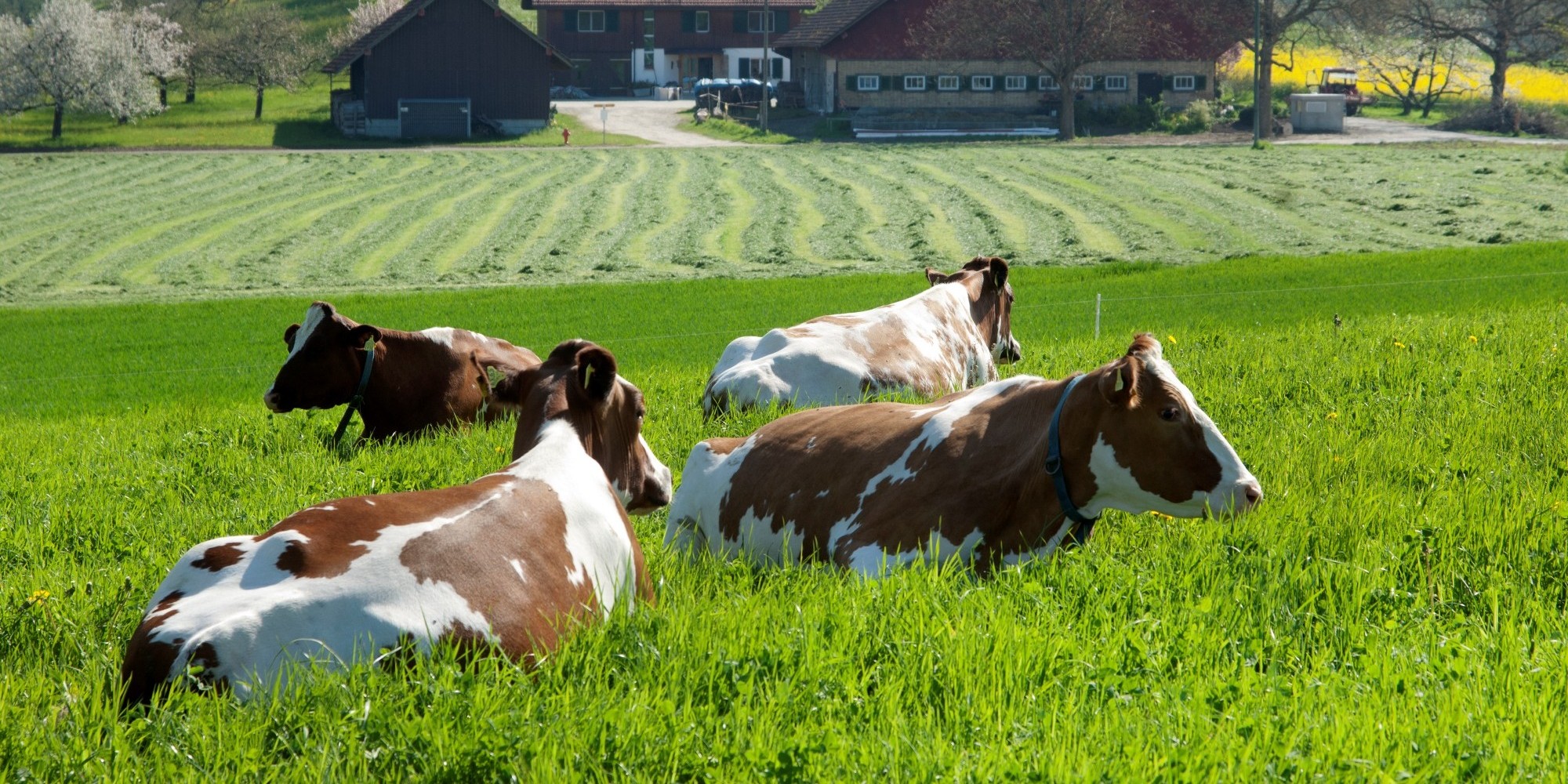
Photo: Gabriela Brändle,
Agroscope
A lack of trust in farmers can undermine a functional food system and lead to stricter regulations. A survey conducted in German-speaking Switzerland compared levels of trust in crop versus livestock farmers and identified key factors for a targeted agricultural policy.
Citizens often rely on trust as a “shortcut” when forming opinions about farming practices and policies. Trust is also important for the acceptance of innovations in agriculture and for farmer–consumer relations, an aspect that farmers themselves see as central to social sustainability.
What the Swiss public associates with agriculture and farmers
- Respondents most often associate agriculture with “farming”, “dairy farming”, and “food quality” and associate these terms with overall positive feelings.
- Associations with Swiss farmers include “hard work” and “admiration” but also “difficulties”, “politics/subsidies”, and some negative attributes, with overall feelings being closer to neutral than for “agriculture” as a system.
- The public tends to hold a traditional, simplified image of farmers and does not spontaneously connect farming with new practices or technologies.
Crop farmers are trusted more than livestock farmers
Overall, citizens’ trust in crop farmers is significantly higher than their trust in livestock farmers. Trust gaps are especially linked to concerns that are pronounced in livestock production, such as transparency regarding farming practices and animal welfare.
What drives trust in both crop and livestock production
Across both crop and livestock farmers, trust is most strongly driven by people’s image and feelings towards farmers, their perceived knowledge of farming practices, and their political orientation (i.e. right wing), all of which show a clear positive relationship with trust. One factor differs by production type: individuals’ meat consumption predicts higher trust in livestock farmers but does not matter for trust in crop farmers. By contrast, buying from farm markets and having personal or family agricultural experience are not relevant to trust.
Implications for action: trust-building must be at the “system level”, not only at the farmer level
The findings suggest that building trust cannot rely only on individual farmers’ efforts (e.g. farm–shop interaction with consumers). Instead, trust may be strengthened through a transparent agricultural system that enables citizens to assess practices even when direct contact is limited (e.g. credible disclosure, assurance, accessible information). For livestock in particular, communication that makes farmers’ shared values and ethical reasoning visible may help address both rational and emotional concerns.
Conclusions
- The Swiss public holds a traditional and simplified image of farmers; this image is not strongly positive or negative and may therefore be “fragile” and easily affected by situational factors.
- Crop farmers are more trusted than livestock farmers, reflecting heightened concerns about transparency and animal welfare in livestock production.
- The strongest levers for trust are affective responses (i.e. feelings) and perceived knowledge, plus political orientation, suggesting that trust strategies should combine credible information with value-based, emotionally resonant communication.
- Trust building should be supported at the system level though policy, governance, and credible disclosure, not solely at the level of individual farms.
Bibliographical reference
Public trust in crop and livestock farmers in Switzerland.