When is Horse Boarding Profitable? A Closer Look at Swiss Farms
Christelle Althaus
Swiss National Stud
Agroscope
Horse boarding is on the upswing. Efficiently organised work, suitable housing systems and biodiversity measures can help make this farm activity both profitable and environmentally beneficial.
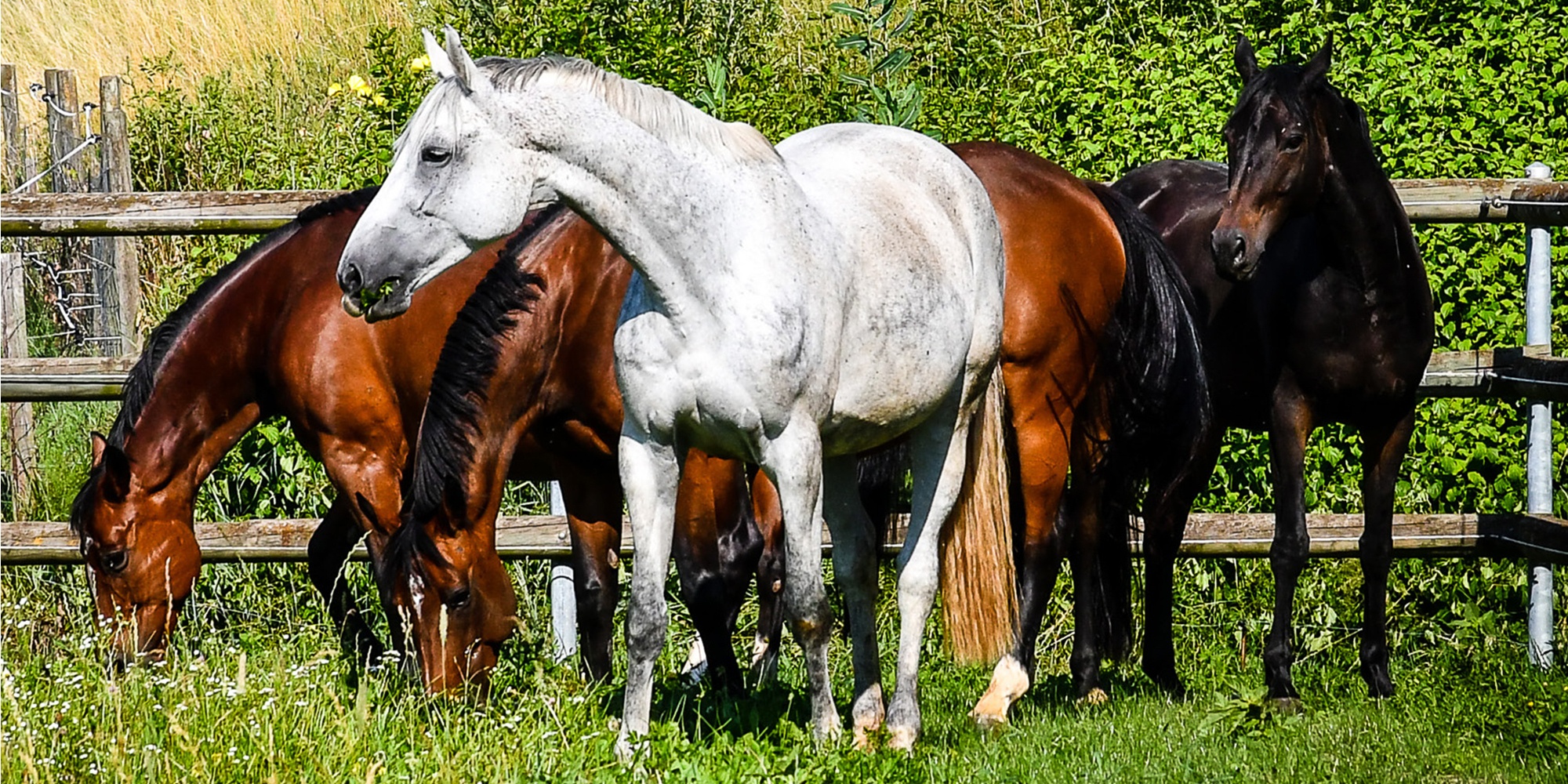
Running a horse-boarding facility long ago ceased to be thought of as a niche service in the Swiss agricultural sector. By now, this activity already offers many farmers a significant additional income. Today, around one farm in five keeps horses – a clear indication of the increasing importance of this sector. Based on a sample of 18 farms, Agroscope conducted a detailed full-cost analysis of this farm activity.
All-inclusive packages offered
In economic terms, horse boarding differs fundamentally from traditional activity spheres such as dairy or meat production. Rather than producing food and being dependent on prices, horse-boarding farms offer comprehensive services ranging from feeding and mucking-out to infrastructure such as riding arenas, and even riding lessons. Full-board models in particular are gaining in importance, as they represent attractive all-inclusive packages for horse owners.
Leveraging synergies is key for success
Profitability depends on a wide range of operating factors, with the number of working hours, organisation of the farm, the extent to which costs are covered by boarding charges and the ability to leverage synergies between horsekeeping and biodiversity promotion being particularly important. Farms that keep horses can provide ecologically valuable habitats and contribute sustainably to income by attracting specific direct payments such as biodiversity contributions. The range here is wide: whereas on average around 3% additional revenue is generated, some farms achieve up to 10% of their turnover through biodiversity measures.
Group housing as a model for success
The study also shows the efficiency advantages of group housing over single-housing systems. Group housing means lower working hours and lower monthly boarding costs per horse. Although the differences between the two systems are not statistically significant, the trend is clear: farms where work is organised efficiently and with larger numbers of horses achieve significantly better economic results. On almost two thirds of the farms, boarding costs were covered completely, regardless of housing type. The economically successful farms have one thing in common: they combine efficient workflows and moderate infrastructure costs with market-based pricing. As a result, horse boarding has become a serious farm activity with both economically and environmentally attractive prospects.
Conclusions
- Efficient organisation of work is the most important success factor, and has the greatest influence on costs, profitability and pricing.
- Group housing tends to have advantages over single-housing systems in terms of hours worked and costs per horse.
- On average, the farms studied generated 3% of their revenue through biodiversity direct payments, though for some farms this figure rises to a maximum of 10%.
Bibliographical reference
Die Wirtschaftlichkeit der landwirtschaftlichen Pensionspferdehaltung.