Farm Burnout: Early Detection, Effective Support
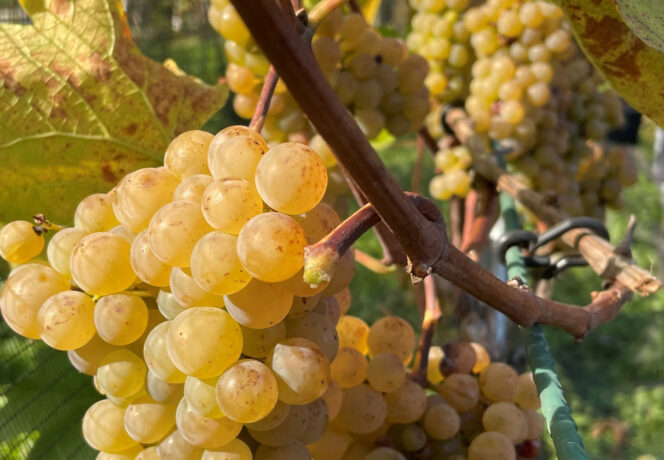
Photo: Jürgen Fälchle,
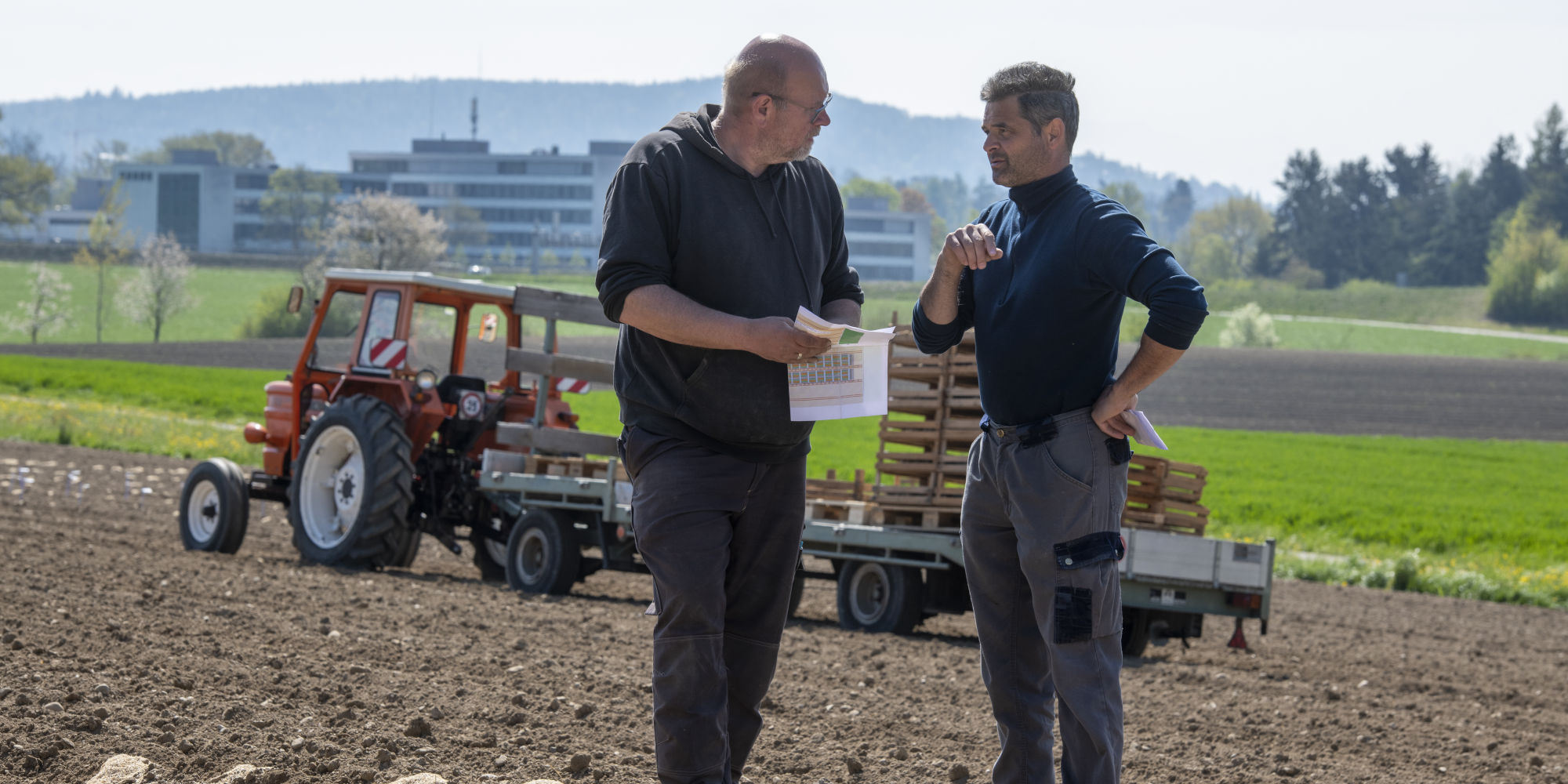
Generated using AI
Two thirds of Swiss farmers have already reached their personal limits — yet specialised help is rarely sought. A nationwide network shows why and how this can change.
Long working hours and physical exhaustion are part of everyday farm life; burnout signals are not perceived as warning signs but as a normal state by farmers. An online survey of 367 farmers in eastern Switzerland and 20 qualitative interviews show: the greatest sources of stress are work overload, bureaucratisation and loss of social recognition. More than half of respondents have additional off-farm employment, which systematically reduces recovery time and further increases the overall burden. Burnout often follows a typical pattern: investments lead to debt, debt requires additional work, additional work eliminates recovery phases and generates sustained strain that accumulates over months and years until body and mind are exhausted.
Barriers to accessing psychosocial support services
Psychosocial support services such as the Agricultural Helpline are well-known and important. They provide an indispensable point of contact for people in acute distress. Yet a structural gap in utilisation exists: the helpline is known to more than half of respondents, but only 5.4 % have used it. The reason lies not in a lack of quality, but in a help-seeking logic: those affected must call themselves and take the initiative — which presupposes a capacity for action that gradually erodes during a burnout. A further cultural barrier exists: categories such as burnout or therapy are often unfamiliar or identity-incompatible in the agricultural context.
What can complement these services follows a come-to-the-farm logic — and this is precisely where a great opportunity lies:
Early detection by trusted individuals
When farm visitors — veterinarians, insemination technicians, farm consultants, accountants — are sensitised and trained to recognise signs of overload and refer to support services, a chain of help emerges that works: because it starts where trust already exists. 83.7 % of respondents cite trust as the most important characteristic of a support service, and agricultural background and life experience as more decisive than clinical expertise. Complemented by peers — people from farming who have experienced burnout and who provide support at eye level — the often weeks-long gap between first contact and professional care can be bridged.
The project «Burnout Prevention in Agriculture 2.0» (2025–2028), led by the Swiss Association of Rural Women and the OST — Eastern Switzerland University of Applied Sciences, supported by the Swiss Farmers’ Union, cantonal farmers’ unions, the Farmers’ Ring, AGRIDEA, the Agricultural Helpline, Farm Conflict and further partners, addresses precisely this. Supported by an intercantonal charter, a network of bridge persons, peers and counselling organisations is being built — open to new partners.
Conclusions and recommendations
Those who want to reach farmers experiencing burnout should go to them — not wait for them to come. Existing relationships of trust are the key.
- Veterinarians, insemination technicians, farm consultants and accountants visit farms as part of their regular work — their presence is everyday farm life, not an intervention. When sensitised and trained in culturally appropriate communication strategies, they can detect stress signals early, address them with care and refer onwards: «I have a coach at hand — shall they come?»
- Peers — farmers with their own experience of crisis — speak the same language and know the same pressures and the same sense of shame. They normalise what those affected see as personal weakness, provide companionship through the wait for professional care and remain present even after a crisis.
- The helpline, farm advisory services, general practitioners and psychiatric specialists form the indispensable professional safety net. They reach their full potential when bridge persons and peers have already paved the way.
- Bridge persons, peers and those who wish to become them, as well as organisations in the agricultural sector — cantonal farmers’ unions, training centres, advisory organisations — can join the network, sign the intercantonal charter and thus strengthen the nationwide network.
Bibliographical reference
Psychische Belastung und Burnout in der Schweizer Landwirtschaft: Risikofaktoren und Prävention.