Agricultural Consultancy of the Future: Rethinking Value Chains
Photo: Sanzio Rombini,
AGRIDEA
Effective agricultural extension services create new value chains and optimise existing ones. An inter-cantonal, cross-organisational project demonstrates how practical, strategic collaboration can make Swiss agriculture fit for the future.
Complex conditions demand new skills
Swiss agriculture is facing increasingly complex challenges. Climate change, the loss of biodiversity, changing societal expectations and existing market structures require the development of innovative approaches across the entire value chain. Agricultural businesses are faced with the task of developing new crops, products and marketing strategies. At the same time, agricultural extension services are confronted with enquiries regarding less established crops and must provide support in building value chains that have so far been insufficiently developed.
A shared knowledge base as the goal
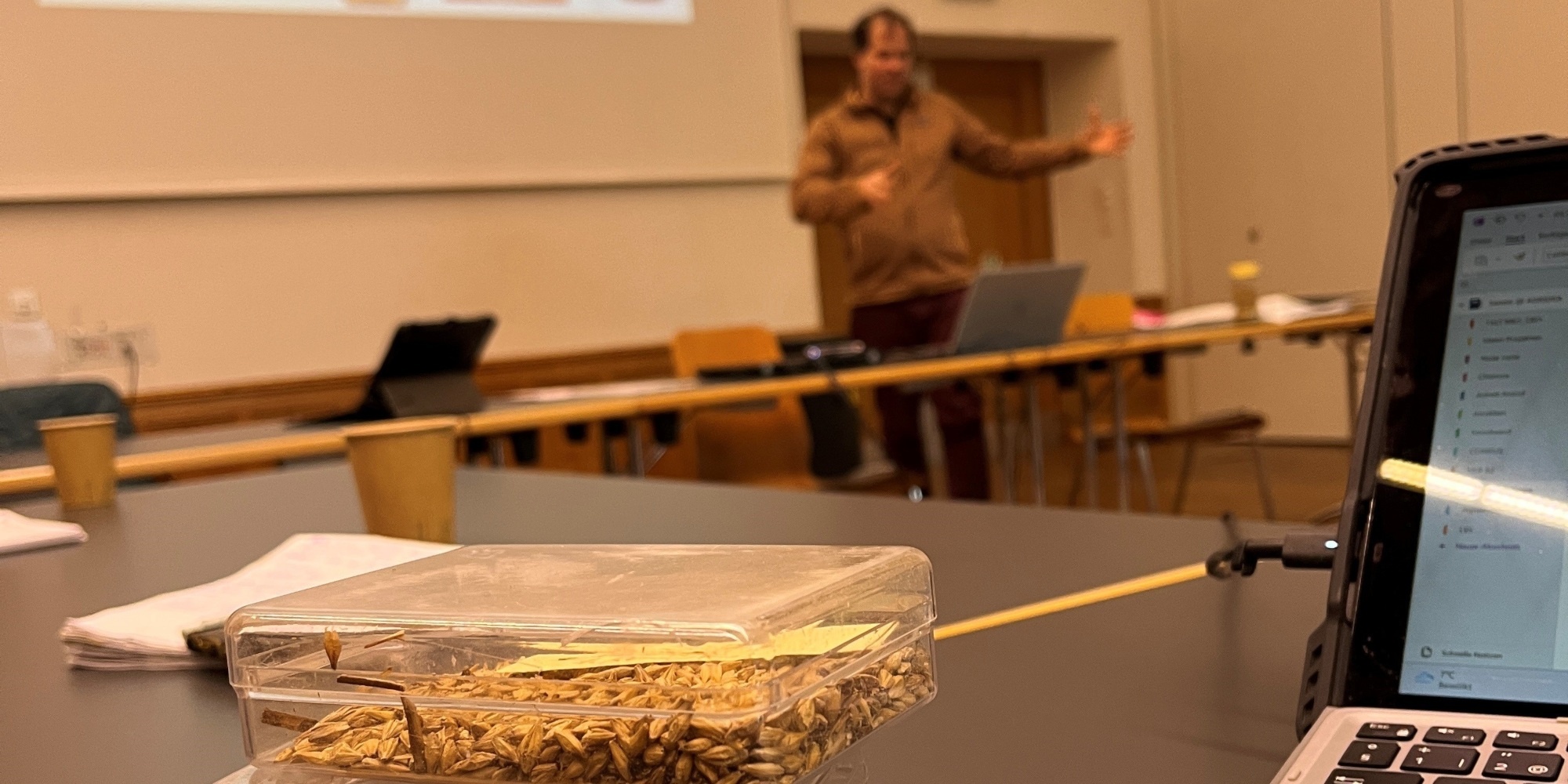
The project, initiated by AGRIDEA and partner institutions, aims to strengthen the expertise of agricultural extension services in value chain issues. Through four thematically structured workshops and with the support of specialist organisations such as the ZHAW, the FIBL and AGRIDEA, advisors from various cantons were brought up to a common level of knowledge. The workshops combined theoretical input, group work and visits to businesses, thereby systematically linking knowledge from research, practice and extension services.
Key components of a value chain analysis
Participants developed methodological foundations for value chain analysis, including the mapping of actors, processes and flows of goods, information and finance. In addition, geographical spheres of influence, sustainability dimensions and innovation potential were considered. The triangulation of documents, interviews, calculations and practical observations is central to effective analysis.
Practical examples as a driver of learning
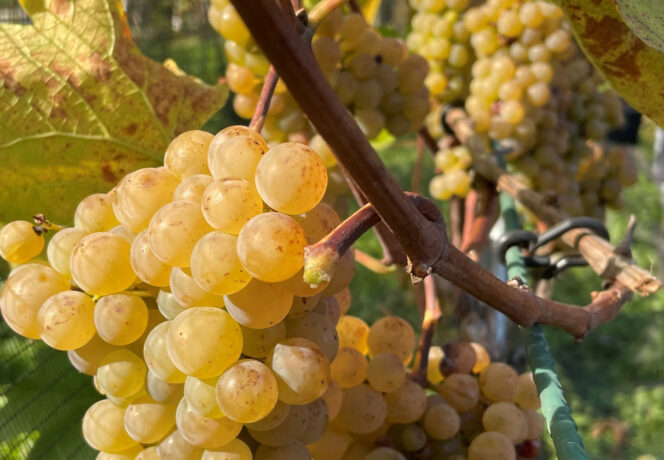
Visits to projects such as ‘Bern ist Bio’ or the ‘Offensive Spezialkulturen Luzern’ clearly demonstrated how consultancy can drive innovation and new business models within value chains. The examples highlighted the importance of collaboration between agriculture, processing, universities and public bodies. At the same time, it became apparent that systematic data and standardised methodologies are lacking in many cantons, and that the link to the catering sector and consumer markets is crucial but often insufficient.
Consultancy as a strategic lever
The project results show that various cantons and institutions already have valuable experience, projects and methods in the field of value chains. At the same time, it became clear that a comprehensive overview and systematically collected data on value chains are lacking, and that the expertise within many cantonal extension services still needs to be developed.
In numerous regions, there is a particular need for additional knowledge regarding new crops, market mechanisms and stronger inter-cantonal cooperation. Furthermore, there is a lack of a nationwide vision regarding the role of agricultural advisory services in the development of future value chains. Without long-term programmes, clear structures and sufficient resources, the potential of extension services can only be partially realised.
Conclusions
- Agricultural extension services are a key lever for building innovative and sustainable value chains but require better resources and clearer strategic frameworks to do so.
- A shared knowledge base, systematically collected data and standardised methods significantly strengthen the analysis and further development of value chains.
- Successful examples such as ‘Bern ist Bio’ and the ‘Offensive Spezialkulturen Luzern’ demonstrate that extension services can effectively drive innovation and cooperation along the chain.
- Intercantonal cooperation, the involvement of the restaurant industry and processing sectors, and practical pilot projects are crucial for the further development of regional value chains.
Bibliographical reference
Beratung der Zukunft in der Landwirtschaft: Wertschöpfungsketten neu denken.