Diversification of Organic Pig Feed with Vegetable and Fruit Scraps
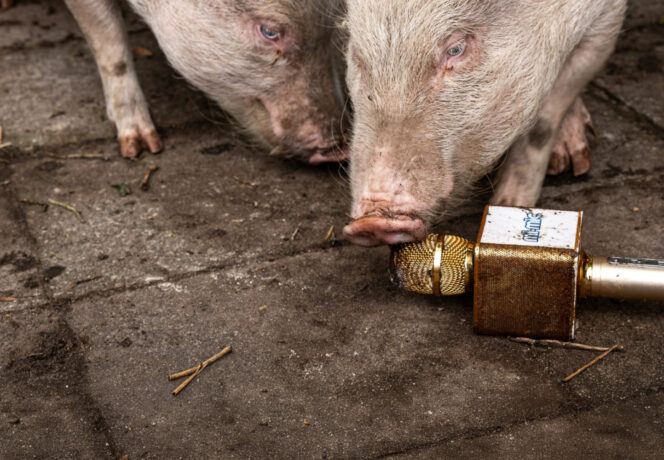
Photo: Mirjam Holinger,
FiBL
As food waste rises globally, the agricultural sector is faced with balancing livestock feed production and sustainable food systems. FiBL explored the benefits of adding vegetable and fruit scraps to a pig diet to improve animal welfare and resource optimization.
The attempt to guarantee sustainable food production systems is confronted with a critical endeavor: reducing the competition for land between cultivation of animal feed and growing of food meant for human consumption. In addition, an estimated one-third of all food produced globally ends up as waste or by-products. In light of these challenges, a key objective within the field of agriculture is to innovate solutions mitigating food waste and optimizing land use and livestock production while providing species-appropriate feed.
Feeding trial incorporating vegetable and fruits scraps in pig diets
Pig nutrition relies heavily on concentrated feed derived from the use of arable land. Yet, this feed may not even fulfill the health and behavioral needs of these animals. Therefore, FiBL launched the ‘Gemüseschwein’ project together with TerraViva and Bio Suisse in 2023. Conducted at the Schwand organic farm, the study consisted in incorporating vegetable and fruit scraps into the diets of fattening pigs, as a way to explore feeding alternatives for pigs while contributing to higher animal welfare.
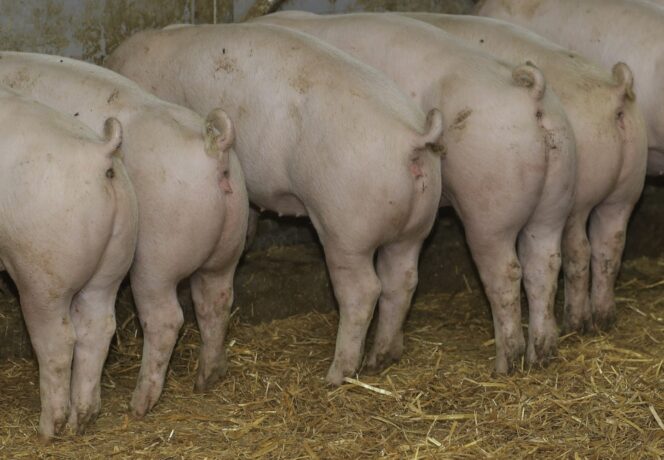
Practically, the trial involved 48 pigs across two fattening cycles, evaluating differences in performance, health, and behavior between those fed on traditional concentrate feed and those receiving a mix of concentrate and vegetable and fruit scraps.
Twofold effects of vegetable and fruit-enriched diet on performance and welfare
Our results show that the vegetable and fruit scraps only contributed to a small extent to the energy and nutrient supply of the pigs. Pigs in these groups exhibited lower average daily weight gains and lighter weights at slaughter due to restricted concentrate feed. Shoulder fat assessments revealed higher levels of polyunsaturated fatty acids (PUFAs) in the vegetable and fruit-fed groups, likely due to a lower absolute fat content in these carcasses.
Conversely, the health status evaluations and behavioral observations carried out during the trial showed a significant positive effect of supplementing pig diets with vegetable and fruits scraps. Animals fed with such diets indeed expressed more playful behaviors and showed reduced instances of diarrhea. These results suggest that the feeding alternative tested in this study is associated with physiological benefits and enhanced animal welfare for fattening pigs.
Conclusions and Recommendations
- Including vegetable and fruits scraps into pig diets is a promising approach towards combining higher sustainability and increased animal welfare in food and livestock production systems.
- While slightly lower performance was observed in vegetable-fed groups, which also received less concentrate than control groups, positive effects could be measured for animal health and welfare.
- Despite the ethical added value of diversifying fattening pigs’ diets, proper assessment of economic viability associated with the use of vegetable and fruits scraps is required.
- Future research will also help identify vegetables and fruits scraps with high nutritional value and strong palatability for pigs.
Bibliographical reference
Diversification of Organic Pig Feed with Vegetable and Fruit Scraps.