Plant-Plant Interactions Can Have a Positive Impact on Cropping Systems
Photo: Carole Parodi,
Agroscope
Plant-plant interactions can contribute to yield security and resilience. The significance of these interactions in agriculture is contentious, not least of all because the mechanisms are largely unclear. This study summarises the current state of knowledge.
Various agricultural systems pursue the strategy of combining different crops. This reduces pathogens and boosts both resilience and – ideally – yields. Currently, profitable plant combinations are being determined in field trials, since the scientific principles do not suffice to predict why, for example, a certain variety of wheat works well with one specific variety of pea but not with another. There is great interest in predicting the effects of plant-plant interactions to promote crop resilience.
Intercropping and crop rotations have been used successfully for millennia. The success of these systems is due to the plants complementing one another in terms of light, water and nutrient usage. Interestingly, however, varieties meeting the above criteria cannot be combined at random, one of the reasons being the molecular interactions of the plants. An improved understanding of these interactions will allow us to harness new strategies for sustainable agriculture – strategies that will boost the resilience of these production systems.
This study summarises the current state of knowledge on molecular mechanisms.
How plants communicate optimally with one another – opportunities for sustainable cropping systems
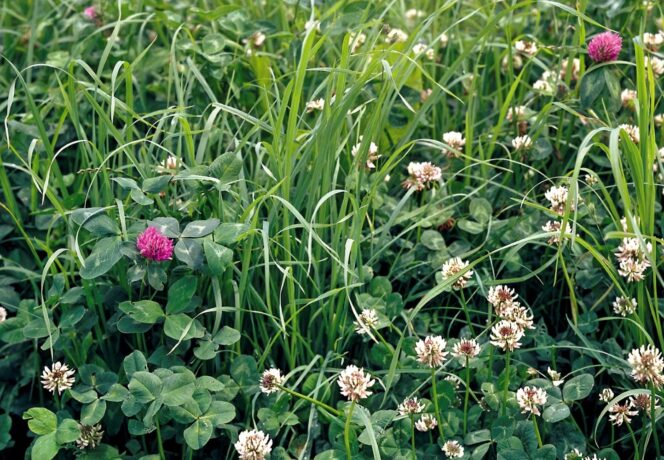
Plants release root exudates (metabolites such as sugars and amino acids) into the soil. These serve as nutrients and signalling compounds for soil-dwelling organisms such as bacteria and fungi, which then in turn can either positively or negatively influence the growth of plants.

Intercropping boosts productivity and resilience
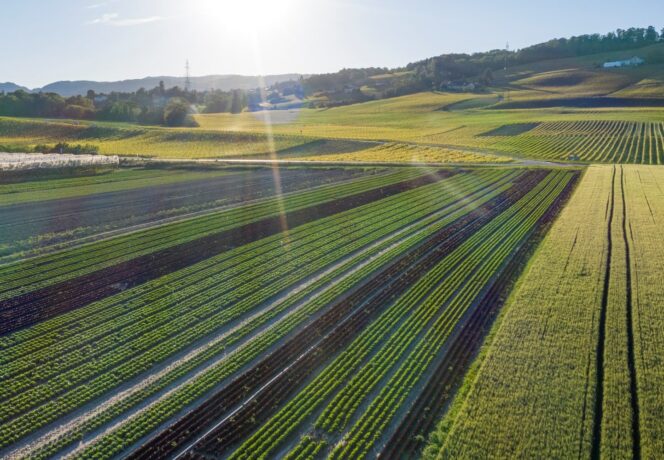
Spatial diversity through intercropping can improve harvest yields and quality, boost nutrient levels, increase resilience against stresses and counteract yield losses. A frequently deployed combination is legumes (e.g. peas, soybean) with cereals such as maize or wheat. It was shown that the exudate profiles of both intercropped partners significantly change when grown together, with the changes in cereal exudates leading to increased nitrogen fixation in the legumes, which in turn increased nutrient levels in the cereals. Mixed-crop microbiomes are in general more diverse. Mycorrhizal fungi can have positive effects on plants, and occur more or less abundantly in intercropping, depending on the trial. Mycorrhizal abundance correlated with the exudation of organic acids by plants, which suggests that root exudates shape fungal presence. Basically, although many metabolites and microbes that play a role in specific intercropping systems have been identified, no general trends are yet apparent.
Crop rotation: a tried-and-tested principle for sustainable agriculture
Crop rotation is a tried-and-tested means of diversifying plant species grown on a temporal rather than spatial scale. Where the same crops are grown repeatedly, yield losses caused by different phenomena may occur: continuous legume cropping leads to a decline in plant biomass, reduced microbial diversity and activity, and the accumulation of auto-toxins. With crop rotation, however, the occurrence of soilborne pathogens remains low. Crop rotation can lower disease incidence by two means: either the pathogens’ niche is occupied by other microbes, or the pathogens are directly inhibited via different means. Crop rotation as well as microbiome diversity and composition have been identified as key factors in the disease susceptibility of e.g. wheat and potato. In single studies, first metabolites that attract the disease-suppressing microbes were identified. However, we are still largely in the dark concerning the mechanisms causing the accumulation of metabolites and microbes in the soil and influencing the susceptibility of crops.
Conclusions
- In order that beneficial combinations of plant species may be utilised in a targeted manner, the underlying mechanisms must be understood. In addition to the plants’ use of different niches (water, nutrients, light), interactions via metabolites and microbes are key, although they have scarcely been studied to date.
- Various studies find a high microbiome diversity associated with plants that exhibit positive effects. Depending on the system, individual metabolites and microbes that cause the effects have been identified; however, general patterns have not yet been identified.
Bibliographical reference
How to harness the effects of exudates and microbes that support beneficial plant–plant interactions for sustainable agriculture.