Alternative Plant Protection in Arable and Vegetable Crops: Where Do Things Stand?
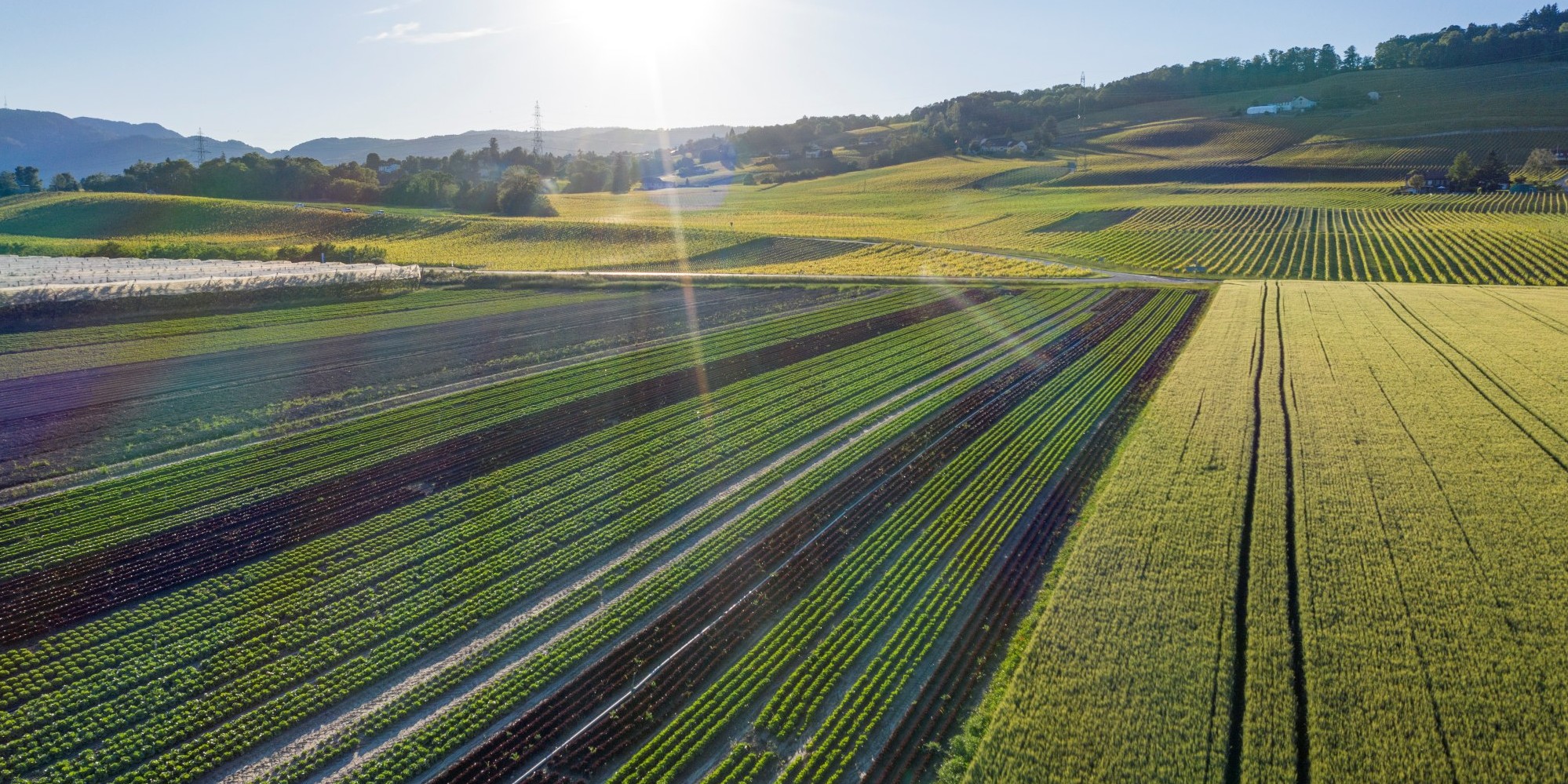
Photo: Carole Parodi,
Agroscope
A recently published paper by Agroscope gives an overview of preventive measures and non-chemical methods of controlling weeds, diseases and pests in arable farming and field vegetable cultivation.
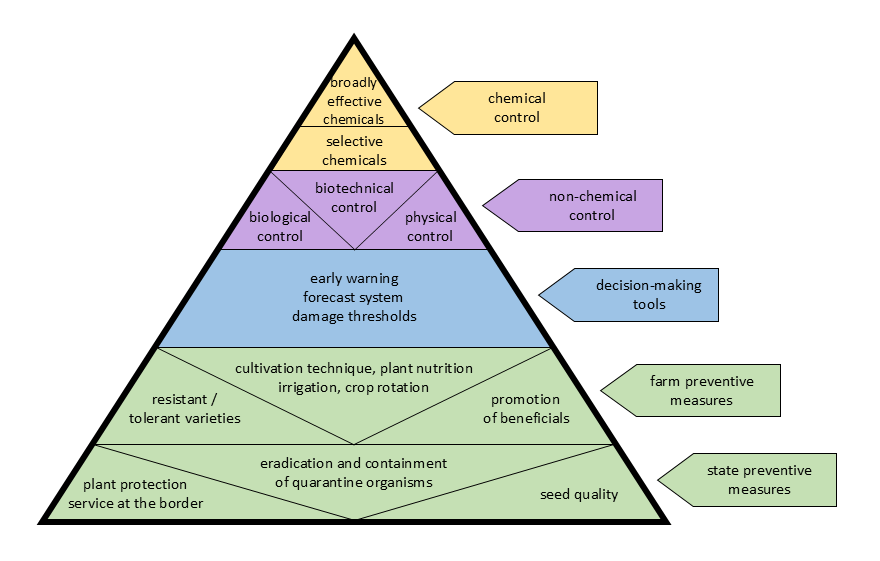
Integrated pest management is a concept combining various methods to keep harmful organisms below the economic threshold. Preventive measures form the broad foundation here, with decision-making tools providing support in determining the right time to apply any control measures (Figure 1). If control measures are required, biological, biotechnical and physical (i.e. non-chemical) measures are to be prioritised wherever possible. Only then, if these measures prove unsuccessful, are chemical plant protection products to be used. This publication gives an overview of the preventive measures and the non-chemical methods for controlling weeds, diseases and pests in arable crops and field vegetables, as well as an assessment of the practical suitability of these methods based on our current state of knowledge.
Weeds
Weed pressure can be reduced through preventive measures such as balanced crop rotations and optimised cultivation methods; weeds can be controlled in the crop by mechanical and physical methods. These methods are more time-consuming as well as less effective in the case of problem weeds, heavy weed infestation and unfavourable weather conditions.
Diseases
The main preventive measures are healthy seed, robust varieties, balanced crop rotations and good field hygiene. With these measures, the use of fungicides can largely be avoided in many arable crops with only a slight reduction in yield. In potato, sugar beet and field vegetables, preventive measures – especially in the case of disease-resistant varieties – can reduce fungicide use. At present, however, completely dispensing with fungicides is often not feasible.
Pests
In many arable crops such as cereals and maize, pests are usually adequately controlled with preventive measures such as crop rotation and the protection of beneficials. However, oilseed rape, potatoes, sugar beet and field vegetables are infested by pests with a high damage potential. A number of approaches have proven effective, such as crop rotation for sugar beet or the use of Bacillus thuringiensis to control Colorado potato beetles, and undersowings in oilseed rape have shown potential. Additional measures are still being researched.
Quality requirements and food prices
Due to the high-quality demands of the market, challenges in vegetable production are greater than in arable farming. With a view to reducing the use of plant protection products, it might be worthwhile to question the private-law quality standards for vegetables in terms of aspects that are purely optical or are non-hazardous in terms of food safety, and perhaps lower these standards and tolerate a certain level of pest infestation. Furthermore, the additional expenditure and higher yield-loss risks associated with alternative plant protection measures could be counterbalanced by higher food prices or other measures to render the crops economically profitable.
Conclusions
- Alternative measures for controlling weeds are available, but they are more time-consuming and less effective in the case of problem weeds and unfavourable weather conditions.
- Nowadays, completely dispensing with the use of fungicides and/or insecticides in oilseed rape, potato and sugar beet is difficult. Although alternative plant protection measures are available, these are often associated with reduced effectiveness and additional costs.
- The high quality requirements for field vegetables are difficult to meet with alternative measures. It might be worthwhile to reconsider purely optical quality demands and adjust them where appropriate.
- Alternative plant protection measures are often more time-consuming and less effective. To ensure the economic profitability of these measures, the additional costs could be counterbalanced by higher food prices or other measures.
Bibliographical reference
Alternativer Pflanzenschutz im Acker- und Gemüsebau: Wo stehen wir?.