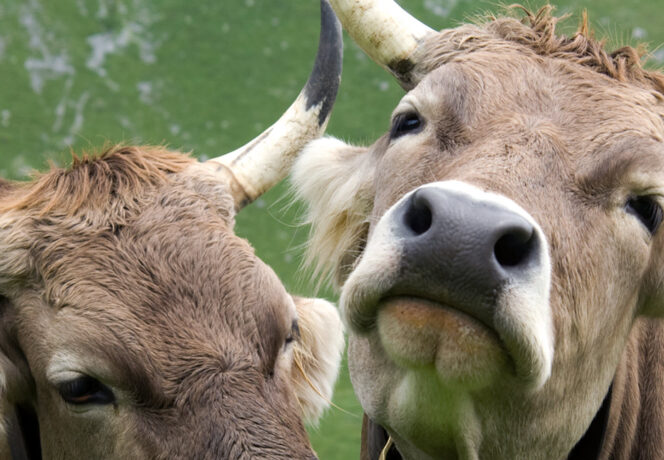
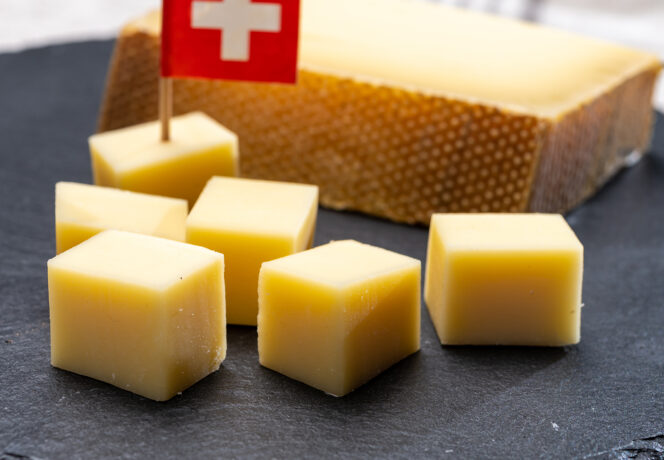
Climate change is compelling producers to find alternatives to the usual fodders. Sorghum is one alternative. When used in dairy-cattle feed, how does it affect the quality of hard cheeses?
In recent years, plant-based foods have come on the market as alternatives to products of animal origin. Their aim: to positively influence sustainability and health. However, do they really do this? A study conducted by Agroscope and the University of Bern examined the issue.
Do soils under meadows and pastures in Switzerland take up more carbon than they release, thus contributing to climate protection? According to a new study from Agroscope, they currently do not. Measures to promote carbon storage do, however, exist.
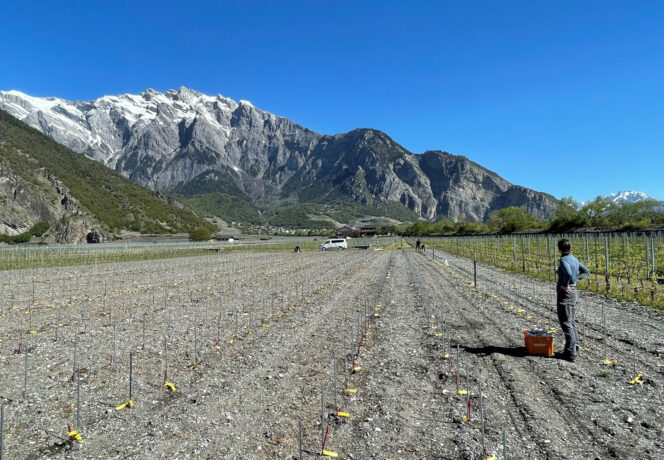
Global wine sales have been falling for several years and the Swiss market has not been bucking this trend. Nevertheless, the growing consumption of sparkling wines in Switzerland and the interest in local products are creating new prospects for leveraging wine production.
The heterogeneity of summer farms in the Swiss Alps must be take into account in order to develop effective policy measures. This should lead to improved conservation of the ecological and economic functions of alpine meadows.
Plants release root exudates – compounds that influence the growth of their neighbours – into the soil. Understanding this mechanism allows us to devise new approaches for biological weed control.
Future agricultural policy will aim at innovative and sustainable production systems. Using the example of agroforestry, an assessment method based on an expert survey and the literature has now been tested. The results show that agroforestry can support the transformation into a more sustainable agricultural sector.
Twelve heritage grape varieties grown in Valais and at risk of extinction have been added to Agroscope’s grape varieties collection and studied. This action is linked to the National Action Plan for the Conservation and Sustainable Use of Plant Genetic Resources.
Managing farmland as an Ecological Focus Area (EFA) has a positive impact on its biodiversity. Agroscope has now investigated the effect of implementing this agri-environmental measure on non-EFAs.
A study conducted across five European countries has identified the attributes that are important to consumers buying meat and dairy products. The researchers also investigated whether sustainability labels were perceived as helpful.
The newly designed Swiss agri-environmental monitoring programme ‘MAUS’ aims, as far as possible, to determine environmental impacts for regions and farm types with existing data. The first MAUS report deals with the regionalised nitrogen balance.
A survey conducted in a Syrah population originating in Northern Côtes du Rhône (France) resulted in the selection of three new Syrah clones with highly promising characteristics, distributed by the Swiss certification sector.
Switzerland’s agricultural landscape harbours a great variety of species and habitats, some of which are endangered. This study sheds light on various direct and indirect, positive and negative factors influencing biodiversity.
Delaying the timing of the first hedge trimming is of limited technical value in vineyard canopy management. Its impact on lateral shoot growth and must composition is minimal.
Sows mobilise body reserves of phosphorus during lactation and replenish these reserves during gestation. Considering this dynamic allows us to envisage a reduction in dietary intake of phosphorus during lactation, and hence, of excretion into the environment.
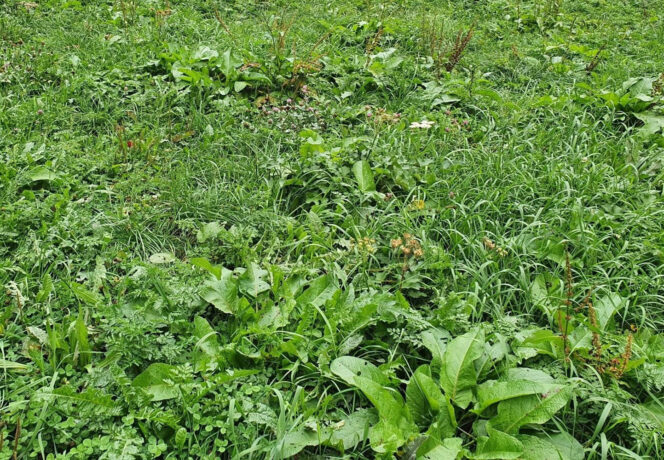
Broad-leaved dock is a problematic weed in permanent meadows and pastures. A European study led by Agroscope highlights the risk factors and recommends preventive measures.
Plant protection products contain active substances and co-formulants. Agroscope studied the residues of co-formulants on treated plants for the first time, thereby furnishing the basis for assessing risks posed to consumers.
Beef can be produced in various ways. Intensive fattening is more productive and extensive organic pasture fattening achieves higher prices – but which is more profitable? Agroscope compared the two production systems to learn the answer.
The effectiveness of an application of foliar nitrogen at veraison depends on the initial level of vine nitrogen deficiency, an Agroscope study has shown. The threshold levels of assimilable nitrogen deficiency in the grape must are validated for Chardonnay but still need to be confirmed for Sauvignon Blanc.
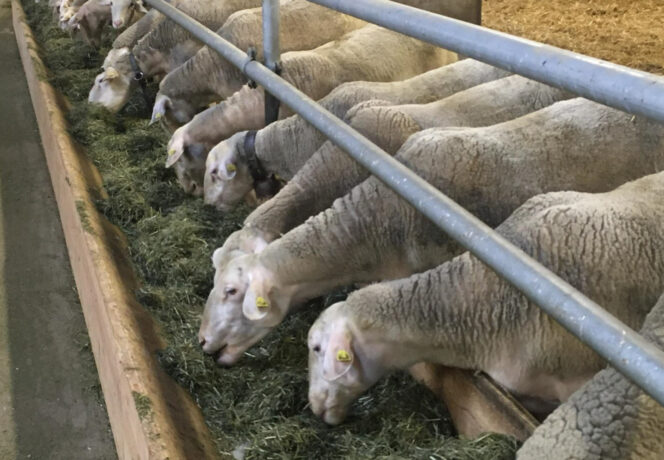
Professionally managed dairy sheep and dairy goat farms are increasingly using mixed rations. The composition of rations fed in practice and the resulting milk yield potential were analysed.
Agroscope researchers conducted an online survey to investigate the attitudes of Swiss consumers to agricultural policy goals in all three language regions. The results should help better shape agricultural policy.
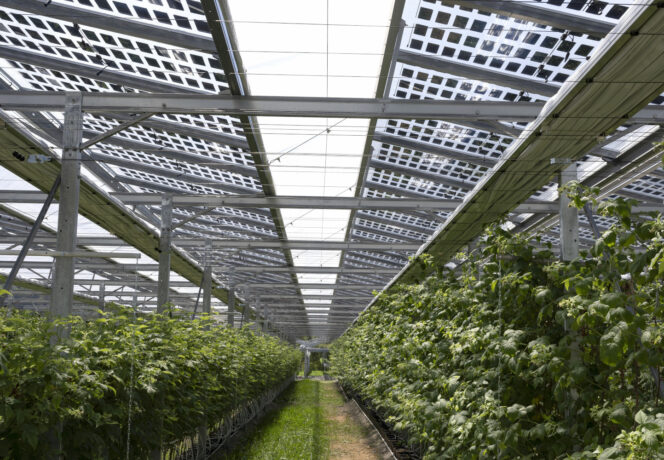
Agrivoltaics combines energy generation and agricultural production on the same land. Although this system is eliciting increasing interest, its success depends on numerous factors and the most compatible crops have yet to be identified.
While botanical composition, growth cycle and phenological stage are integral factors, they are not the sole determinants of the quality of grass silages from intensively managed permanent meadows.
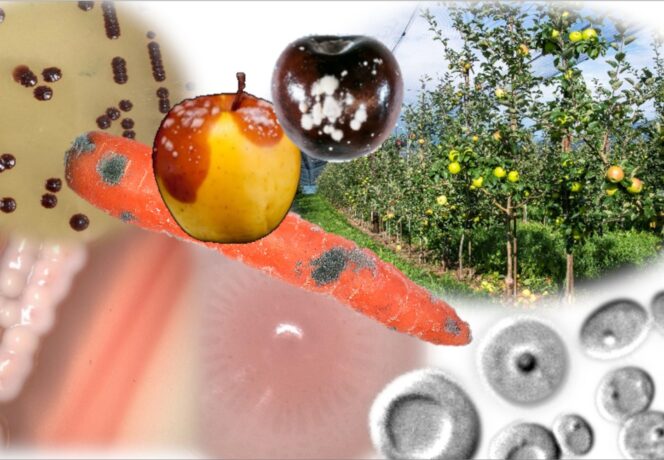
Metschnikowia pulcherrima is a naturally occurring yeast with applications in agriculture, the food industry and biotechnology. Agroscope is investigating this yeast in particular with regard to biocontrol applications in plant protection.
Soil management lies at the heart of major global warming and sustainable viticulture issues. In this context, inter-row plant cover in vineyards comes with its share of benefits and drawbacks.
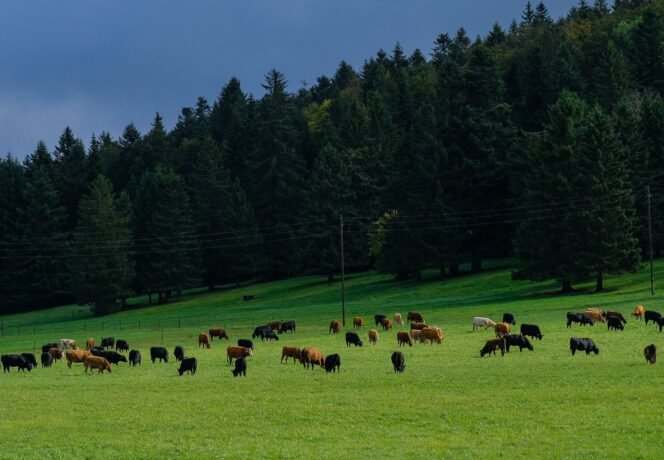
Grass-based beef production is markedly less productive than intensive year-round indoor-housing system-based production. Agroscope experts therefore studied how grass-based farms can produce both economically and in an ecologically sound manner.
The SALCA life cycle assessment method was comprehensively updated in light of new needs, systematically documented and reviewed by external specialists. This will allow a wide range of research issues in the agriculture and food sector to be addressed.
A programme has been launched for safeguarding the genetic diversity of Arvine, a grape variety formerly cultivated in Valais. Directed selection would make it possible to exploit this variety's biodiversity and to meet the ecological and economic challenges of the future.
Cheese stands out as one of the main Swiss agricultural trade offensive interests. Outside the EU, the USA are an important export destination. The CAPRI model allows to assess the impact of a free trade agreement for cheese between the USA and CH.