Archive
89 posts

Impact of streptomycin applications on antibiotic resistance in apple orchards
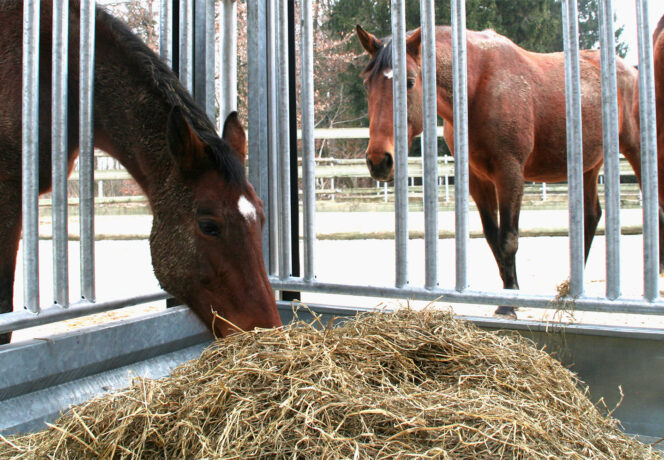
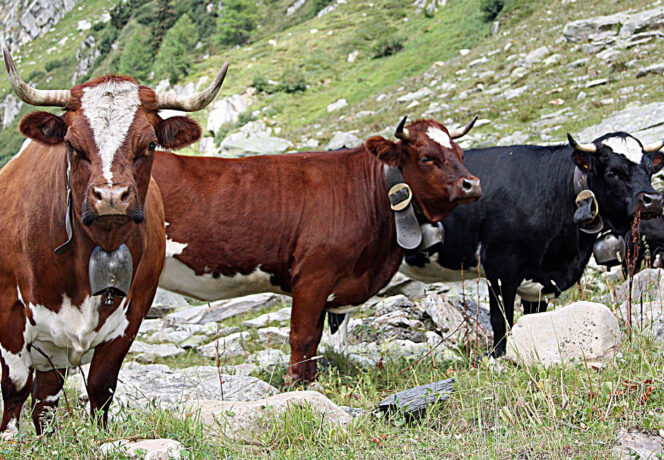
The Federal Office for Agriculture (FOAG) authorized the use of streptomycin to fight fire blight under controlled conditions in 2008 with the provison that the development of antibiotic resistance in the treated plots is monitored. Agroscope in Wädenswil thus performed the first study to quantitatively analyze the influence of streptomycin use in agriculture on the…
Weed suppression by cover crops: analyzing different factors
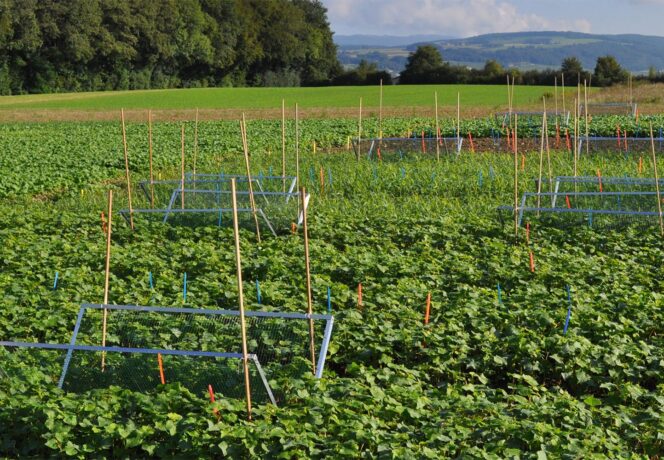
Cover crops represent an increasingly widespread agricultural technique in Switzerland as they provide different ecosystem services. One important role of cover crops is weed control, which can be explained by resource competition (for water, nutrients and light) and allelopathic effects (biochemical interactions between plants). To better understand the phenomenon of weed suppression by cover crops,…

The future of wheat breeding
Unlike the situation in the European Union, where wheat breeding is almost exclusively in the hands of the private sector, public breeding of disease-resistant wheat with high baking quality has a long-standing tradition in Switzerland. Important increases in yield potential are still possible here. After World War I, wheat yield in other European countries increased…

Variety and cultivation trials with winterhardy poppy
Poppy (Papaver somniferum L.) is a traditional field crop of Switzerland. During the Second World War, it was still grown on around 1300 ha with a view to the country becoming self-sufficient in cooking oil. Today, poppy is only grown in Switzerland on a few hectares. With the entry into force of the 2014–2017 agricultural…
Substantial progress in variety testing with red clover
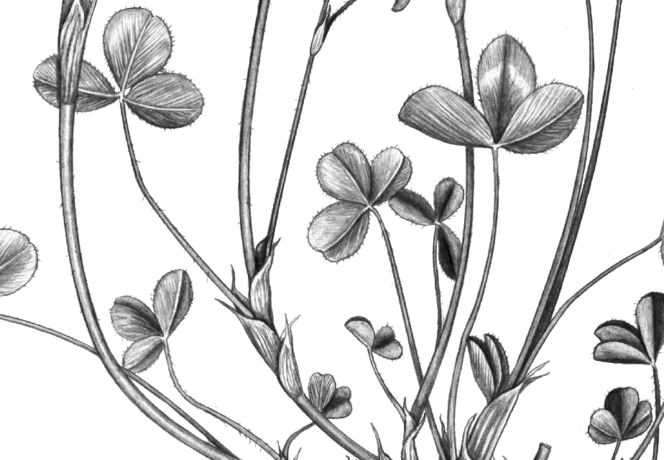
Agroscope noted significant breeding progress in the variety tests with 30 new cultivars and 24 already recommended varieties of red clover (Trifolium pratense L.) conducted at six locations from 2011 to 2013. Yield, vigour, juvenile development, resistance to leaf diseases, winter-hardiness and persistence were all evaluated. For the persistent varieties («Mattenklee» type), results allowing for…




Irrigation requirement and available water supply under changing climatic conditions: a regional deficit analysis
As the climate changes, the water requirement of agricultural crops tends to increase. This leads to a higher irrigation requirement. At the same time, water availability falls, since water levels in many catchment areas of the Swiss Central Plateau decline in the summer. In order to identify areas with an increased risk of water shortage,…

Dairy farms: why does Switzerland spend more on production than Norway?
Dairy production in Switzerland and Norway has a lot in common: a high price- and wage environment, difficult natural conditions and similar farm structures. A cost comparison using data from the International Farm Comparison Network (IFCN) shows that Swiss farms have higher production costs, however. Analysis of the cost positions pinpoints the differences mainly in…

How to optimize agricultural extension for a successful farm management?
Production costs play a key role in the competitiveness of agricultural enterprises. In the past, various actors in agricultural consultancy and education offered advanced training, but the number of participants remained below expectations. To investigate the reasons for this low participation and determine measures for improvement, the Opticost working group conducted semi-structured interviews with experts…

Wood ashes: a new fertilizer for Swiss agriculture
The use of wood ashes as potash fertilizer was tested on sunflower. The greenhouse experiment was conducted in Changins and used wood ashes provided by the wood power station Enerbois (Vaud). These ashes contained high amounts of Ca and K but also trace elements, particularly Cu, Zn and Ni. Results of the trial highlighted an…

Hybrid cereals are progressing
Low return on investment from breeding licenses has made breeding of self-fertilizing species like wheat and barley less attractive. However, for some decades, the variety types have been changing in Europe, because cytoplasmic male sterile systems of outcrossing species like maize, rape seed and rye exist for the production of affordable hybrid seeds, which have…




Forages in the light of NIRS
An insight into the determination of the chemical composition of forages via NIRS is presented. Predictive models developed at the Agroscope Institute for Livestock Sciences ILS show the typical values: R2 > 0.96 for dry matter (DM), crude protein (CP), ADForg, NDForg, crude fibre (CF), cellulose, ash, fat, sugar and starch content in hay and…

Pests and pathogens in the cabbageoilseed rape agroecosystem
The cabbage – oilseed rape agroecosystem consists of cruciferous crop plants with different levels of productivity and labour intensity. In Switzerland, such crop plants are cultivated mostly in small-scale agricultural settings. Cruciferous crop plants are hosts for a wide range of pest insects and plant pathogens. However, the importance of the damage caused by pests…

Leaf blowers as an alternative to rakes: impact on vegetation after four years
In the mountains, hay harvesting represents a significant task for farmers. To make this job easier and speed up the harvest, farmers are gradually replacing rakes with leaf blowers. The Swiss nature conservancy organisation Pro Natura and the Agriculture and Agri-Food Research Station Agroscope are currently evaluating the potential effects of leaf blowers on the…

Plant protection products – mitigating the risk due to surface runoff
Plant protection products (PPP) can betransported from treated fields to surface waters via surface runoff during rain events. Potential risks for aquatic organisms due to surface runoff are assessed during the registration process for PPP, and risk mitigation measures are implemented if necessary. Currently, a vegetated buffer zone of 6 m width may be required…

Pesticide application – measures for mitigation of spray drift
The spray application of plant protection products (PPP) leads to a contamination of non-target areas via spray drift: Droplets containing the active ingredient are deposited outside of the targeted area. The potential risk for non-target organisms caused by this drift is evaluated in the authorization-process of PPP. In order to achieve acceptable risk levels for…