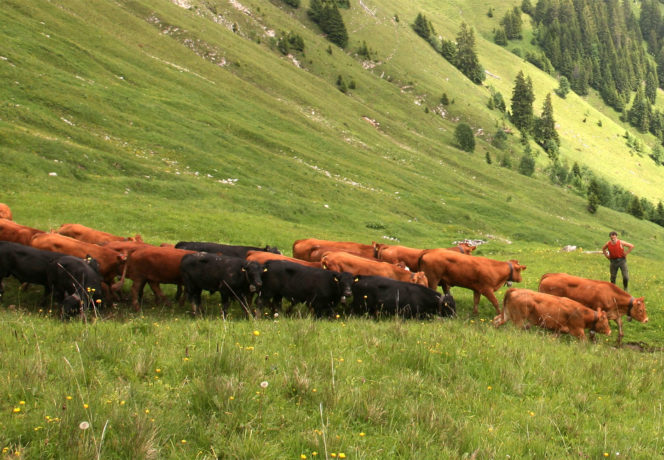
An advisory method developed in France was adapted for the application in Canton Jura and Bernese Jura to improve the profitability of dairy farms. Using this newly developed advisory instrument, an interdisciplinary team aimed to offer comprehensive consultancy. Data from 64 dairy farms was collected regarding environmental factors, management practices and related economic performance. Multivariate…
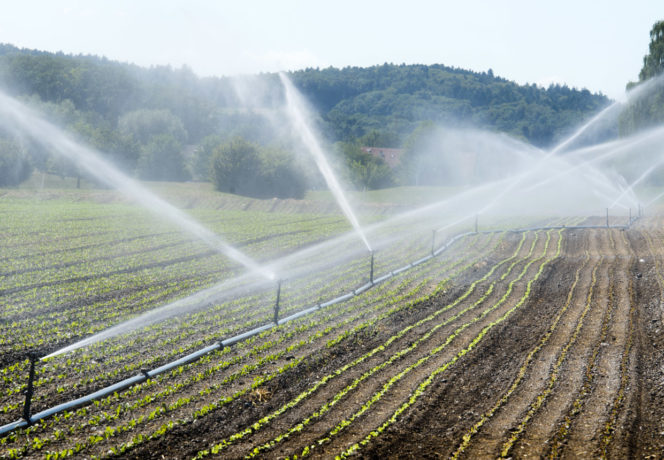
Climate change causes the risk of water shortage to increase in regions where intensive agriculture is practised. A model for the Three-Lakes Region (Broye/Seeland) was created as a tool for forecasting critical situations and for the longer-term planning of water use with a view to adapting to climate change. The model allows the resources in…
No-till and conventional plough tillage have been compared since 1994 in the Oberacker longterm field experiment at Inforama Ruetti in Zollikofen (Switzerland) on a slightly humic sandy loam soil. Crops were grown in a six-year crop rotation in a strip trial with six adjoining plots. Nineteen years into the trial, undisturbed cylindrical samples were taken…
No-till and conventional plough tillage have been compared since 1994 in the Oberacker longterm field experiment at Inforama Ruetti in Zollikofen (Switzerland) on a slightly humic sandy loam soil. Crops were grown in a six-year crop rotation (peas, winter wheat, field beans, winter barley, sugarbeets and silage maize) in a strip trial with six adjoining…
This study addresses the influence of technological progress on the annual working hours of Swiss farmers in the years 2003 and 2012. The analysis of standard labour contracts for agricultural employees in Switzerland as well as a study of the literature revealed that the weekly working time for agricultural activities in most countries comes to…
Bacterial blight is a foliar disease caused by Pseudomonas savastanoi pv. glycinea. The disease is characterised by angular leaf spots yet with only little impact on the yield. The seeds constitute the primary source of inoculum, and contaminated seeds may affect the diffusion of new varieties. The best approach to preventing the disease is to…
Silage preparation is an important feed-conservation method in the mountain area of Switzerland. To determine the ensilability of various typical plant populations in the mountain area, four plant populations were investigated on a laboratory scale, and grass silages from 31 commercial farms from the Ybrig-Einsiedeln mountain region were collected and analysed. According to the fermentability…
Pork fat is a major constituent of many meat products and its quality therefore of high relevance for meat processors. The most important fat quality characteristics – oxidative stability and consistency – are well described by the amount of polyunsaturated fatty acids (PUFA) and the iodine value. In Switzerland, these two traits are even part…
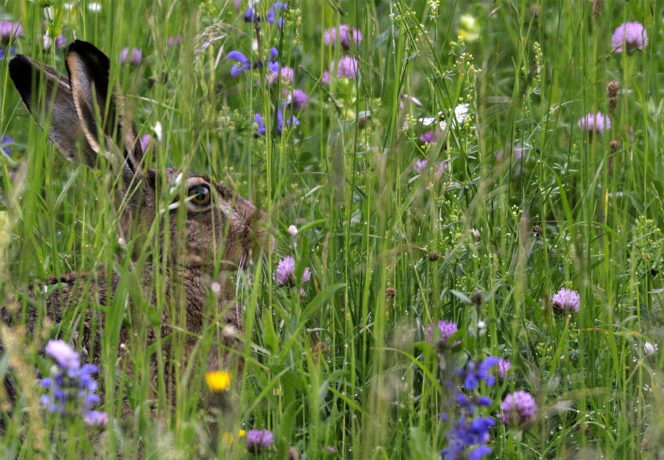
The population of Brown Hares in the Swiss lowland has been declining for years. In the St. Galler Rhine valley farmland has been ecologically improved with biodiversity promoting areas (BFF) since 1994 with the aim to promote the Brown Hare amongst other species. In this study, we compared the population trend of the Brown Hare…
The article contains a suggestion for examining planned investments in terms of their profitability (an ex ante evaluation). Since for the average Swiss farm the remuneration of family labour is far more important than the remuneration of equity capital, interest is primarily focused on the change in either labour utilisation per hour or the actually…
The European Union (EU) intends to introduce an environmental product declaration for agricultural products. This raises the question of the extent to which the various methodological guidelines are suitable for this purpose from the Swiss perspective. Together with Koch Consulting and on behalf of the Federal Office for the Environment (FOEN), Agroscope has therefore made…
This study presents a non-destructive method for estimating cover-crop biomass, based on field estimation of soil cover and cover height. The estimation of biomass allows to quantify expected services offered by cover crops, such as competition against weed, erosion and leaching reduction, input of nutrients and organic matter. Linear models were adjusted to the data…
Summering fattening cattle on alpine pastures has the advantage of utilising the whey and optimising the number of animals on said pastures. The LACTOBEEF project followed two mountain stockbreeders from the Gruyère Pays d’Enhaut Regional Nature Park. Traditionally, these stockbreeders fatten pigs on their whey and raise dairy heifers. The trial addresses the economic consequences…
Establishing an autumn vegetation cover following the grain harvests is common practice in the farming community. Although certain beekeepers look forward to this foraging opportunity, others suspect a weakening of the bee colonies after they forage on these cover crops, and fear the premature exhaustion of the winter bees. The experiment presented here attempts to…
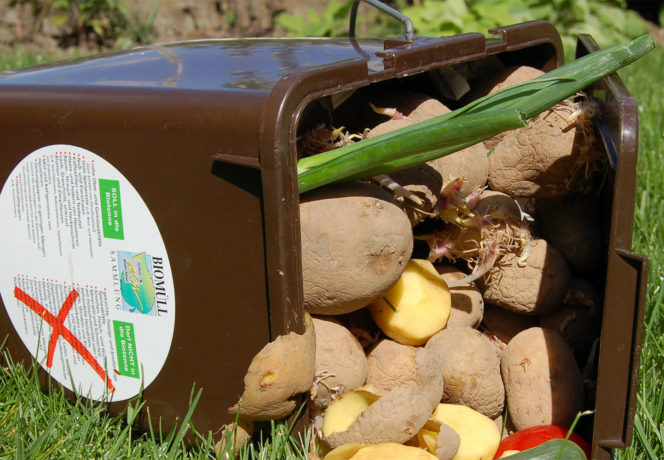
This study ascertains potato losses in Switzerland along the value chain from field to fork on the basis of questionnaires. The results show that 41–46% of all processing potatoes and 53–56% of all table potatoes are not eaten by consumers. These losses do not represent a complete waste, however. Threequarters of table-potato losses and 90%…
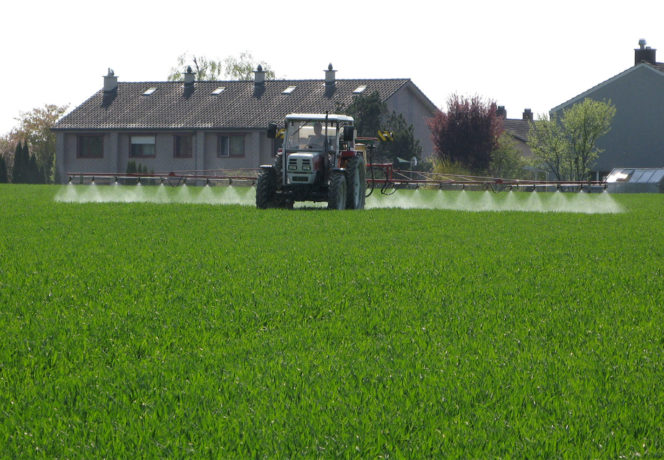
According to Direct Payment regulations, Swiss farmers are obliged to take into account economic damage thresholds and the recommendations of forecasting and warning services before taking phytosanitary measures. In order to assess how well these requirements were being fulfilled in arable farming, farmers and agricultural contractors were anonymously surveyed in 2013-2014. Out of 477 returned…
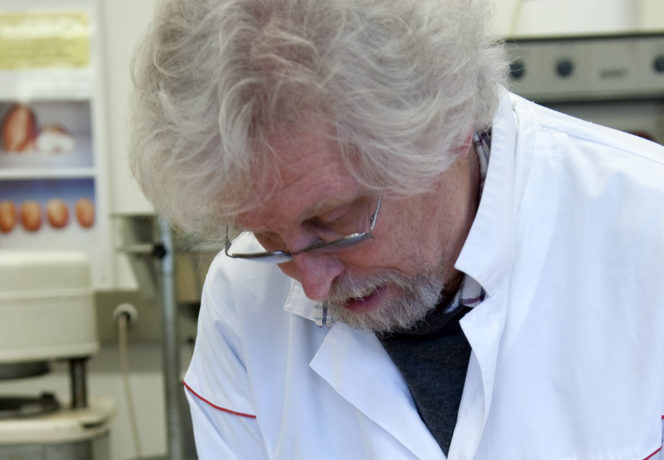
Certain types of bread products require a high protein content and well-defined rheological qualities. Although Swiss wheat varieties have a high protein content, said content fluctuates a great deal, and in some years is too low for breadmaking. From 2011 to 2013, a study was carried out on four varieties of wheat and seven nitrogen…
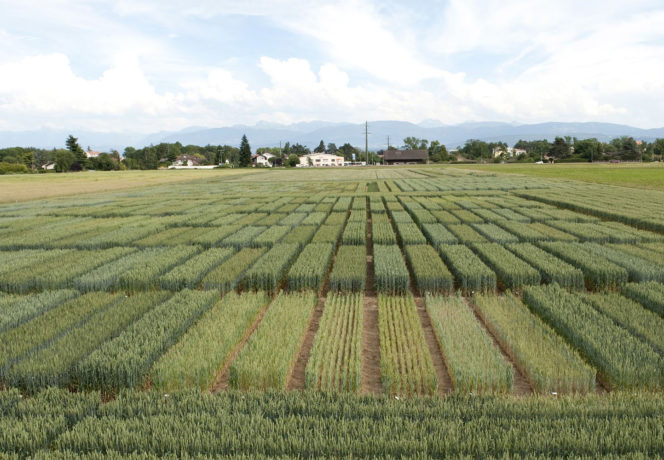
The cereals trade association has set up a harvest payment system based on the protein content of ‘TOP’ class wheats. Agroscope has implemented tests to study the impact of splitting the application of nitrogen fertiliser on wheat yield and quality. In Swiss soil and weather conditions, a 20-40-80 kg N/ha split – the third input…
From 2013 to 2015, Agroscope tested 33 varieties of Westerwolds ryegrass (Lolium multiflorum Lam. var. westerwoldicum Mansh.) and five varieties of Persian clover (Trifolium resupinatum L.) as to their suitability for cultivation. Yield, vigour, persistence, resistance to leaf diseases, dry-matter content and competitive ability were evaluated. In the case of Westerwolds ryegrass, digestible organicmatter content…
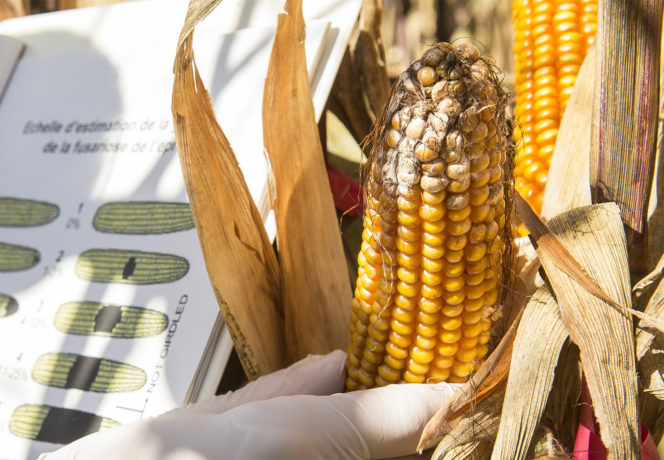
Gibberella and fusarium ear rot of maize reduce grain yield qualitatively and quantitatively. Mycotoxins produced by the fungal pathogens that are responsible of these two diseases are a health threat for the animals fed with contaminated maize. One factor affecting disease severity and mycotoxin content, and therefore a potential management tool, is the susceptibility of…
Arbuscular mycorrhizal fungi (AM fungi) are soil fungi that establish an effective symbiosis with most crops and wild plants, promoting plant growth and improving soil structure. Individual studies from Switzerland have led us to assume that certain species are suitable as bioindicators for various soils and land-use types. In a broad-based study, the AM fungi…
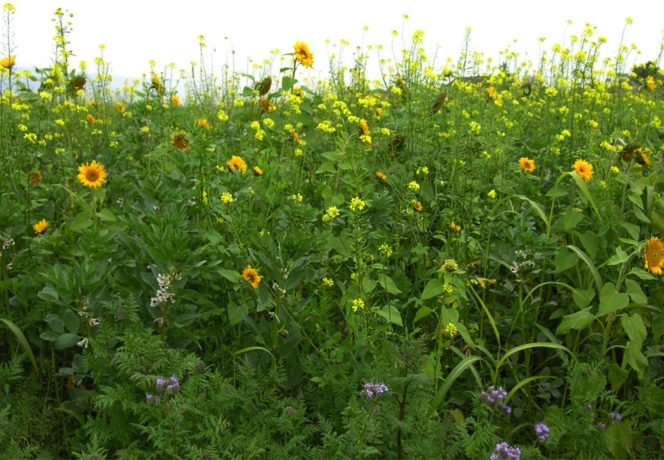
There has been a drastic decline in farmland biodiversity in recent decades. In spite of direct payments for ecological compensation areas (ECA), specifically for their connectivity and ecological quality, there has been no general recovery in the populations of many species of farmland flora and fauna. While discernibly positive effects of agricultural biodiversity measures have…