Currently, pressed sugar-beet pulp is delivered with a DM content of around 25 %. In future, sugar refineries hope to press the pulp even harder, with a view to reducing transported quantities. In the present study, we investigated the influence of higher DM content on silage quality and aerobic stability in various silage methods. To…
Society is facing major challenges in ensuring global food security. Global trends since the food-price crisis in 2008 have revealed significant new risks. In 2012, the Swiss Federal Office for Agriculture decided to identify, quantify and prioritise these risks and to derive potential areas of intervention. A literature review based on the analysis of key…
In Switzerland, agriculture and the food industry are facing major challenges, as is society in general. The gap between desired and achievable levels of food production is growing wider, since ensuring sufficient food supplies for a growing population requires a constant increase in production while at the same time it is necessary to reduce the…
As with the other two research programmes Agroscope (AgriMontana and NutriScope), ProfiCrops began in 2008 and will end in March 2014. To bring the programme to a close, several events were organised and a series of articles were published in Recherche Agronomique Suisse from July 2013 onwards. This last article presents an assessment of ProfiCrops,…
The Swiss plant production sector aims at maintaining its competitiveness, even in a liberalized economy. The research program ProfiCrops takes a look into innovations generated for the plant production sector. Innovations are a requisite for maintaining the competitiveness of the agricultural sector. A tool allowing to map innovations in the plant production sector has been…
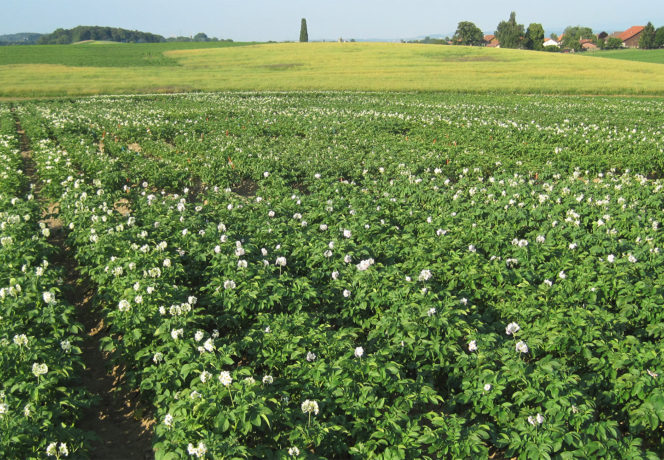
Pectin lytic bacteria belonging to the genera Pectobacterium and Dickeya can cause several diseases on potato, such as stem rots, commonly named «blacklegs», and tuber rots, which are referred to as «soft rots». The blackleg symptom is the primary cause for the rejection of potato seed lots in Switzerland. The field trials conducted in this…
Alpine pasturing subsidies are now being introduced under the 2014–2017 Agricultural Policy. These subsidies are meant to offer lower-altitude farms a further incentive to move their livestock to alpine pastures during the summer season. Calculations made with the agent-based model SWISSland show that the alpine pasturing subsidies in combination with the previous summer pasturing subsidies…
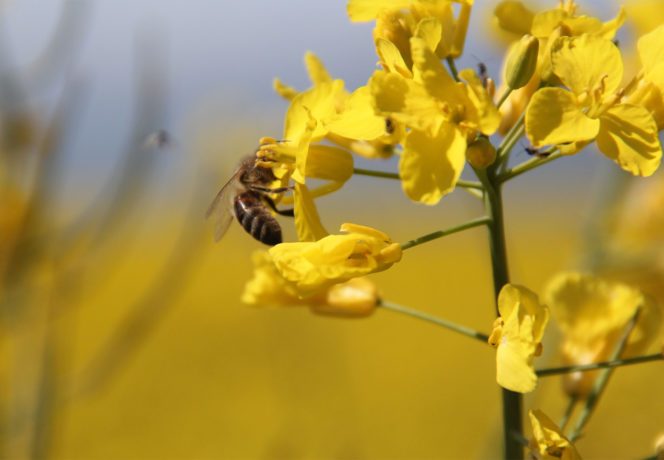
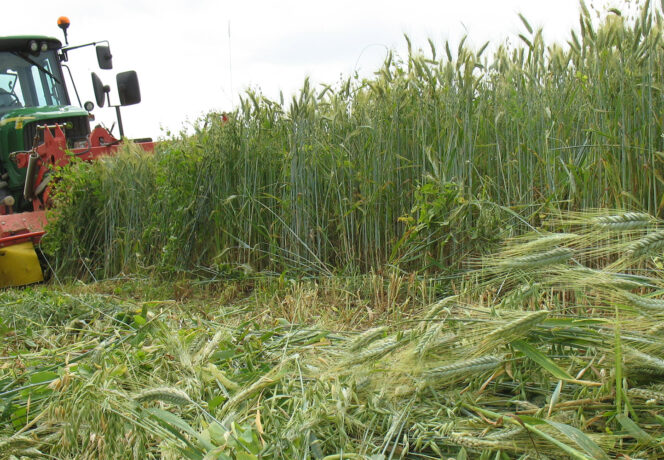
Meligethes spp. (pollen beetles) can cause major damage to oilseed rape crops. Organic and extensively farmed stands are especially at risk, since the use of insecticides on them is prohibited. Moreover, the pollen beetle’s increasing resistance means that non-chemical treatment options could also become important for conventional oilseed rape cultivation in future. Agroscope has tested…
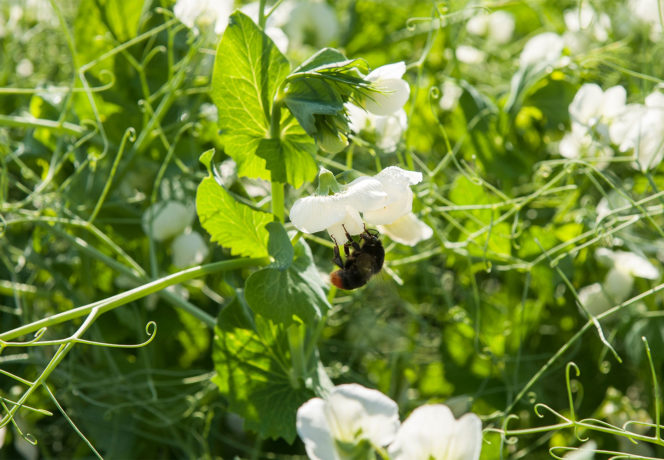
Three immature whole plant pea-cereal mixtures composed of triticale (90 kg/ha), oats (40, 30 and 20 kg/ha) and field peas (20, 30 and 40 kg/ha) were sown at Agroscope Posieux in October 2011 and ensiled in late June 2012. In vivo digestibility was determined with wethers, and in sacco degradability with rumen fistulated cows. Botanical…
More and more farmers consider to switch from conventional to organic production. What effect, then, does this have on yield and environmental performance? In particular, the question of how the duration of organic management affects plant yield, weed populations, biodiversity and soil fertility has rarely been investigated. To investigate this question, we compared 34 plots…
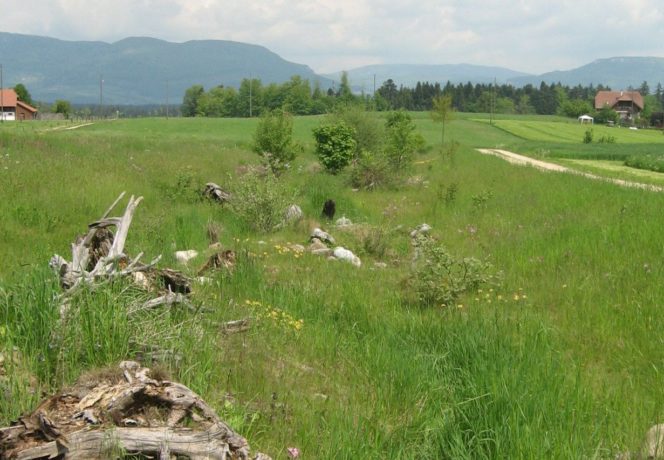
Wildflower seed mixtures are widely used for restoration in areas with impoverished species pools. However, the genetic and fitness consequences of using seed mixtures are often not considered in practical restoration. We studied the genetic characteristics of sown and naturally occurring populations of the grassland plant Lychnis flos-cuculi in an agricultural landscape in the Oberaargau…
Genetic diversity – the variety of genes and alleles within a species – constitutes the most basic level of biodiversity, and is an important prerequisite for productivity and sustainability in agricultural production systems. We have developed and applied various methods to determine genetic diversity on farms in Europe, Ukraine and Uganda. A questionnairebased survey conducted…
Innovation is now a prerequisite for institutions aiming to maintain their competitiveness in a more and more liberalized economy. This is also true for agricultural research. One of the objective of ProfiCrops, the research program Agroscope, was to promote the innovation process leading to added value in the cropping sector. This article describes five ideas,…